

I’ll be honest — when I first started shopping for cheap bongs under 50, I wasted money. Twice. The first one was a flashy acrylic piece that tasted like melted plastic after three uses. The second was a paper-thin glass bong that cracked the moment I set it down too hard on the counter. A few bumps and it was done.
That’s when I realized something most buyer’s guides won’t tell you: the problem isn’t the price. A great smoking experience absolutely exists under fifty bucks. The problem is not knowing what to look for — and what to run from.
I’ve spent years testing, breaking (yes, breaking), and comparing affordable bongs across every material and style on the market. This guide is everything I wish someone had told me before my first purchase. No fluff. No filler. Just a clear, honest framework so you can shop smart, protect your health, and actually enjoy what you buy.
Whether you’re eyeing silicone bongs, a classic straight tube bong, or a tiny mini bong that fits in your palm — I’ll walk you through the materials, the types, the red flags, and the tricks that turn a cheap bong into a genuinely great smoking experience. All without touching your savings or sacrificing quality.
Let’s get into it.
What Makes a Cheap Bong Safe?
This is the section I wish every buyer would read before spending a single dollar. Because when we talk about cheap bongs, the real question isn’t “how cheap can I go?” — it’s “what is this thing made of, and will it hurt me?“
Let me break it down by material.
Borosilicate Glass
If there’s one term you should memorize, it’s borosilicate glass. This is the same type of high quality glass used in chemistry labs, pharmaceutical vials, and kitchen cookware like Pyrex. It’s heat-resistant, non-porous, and chemically inert — meaning it won’t leach toxic compounds into your smoke, no matter how hot things get.
The U.S. Food and Drug Administration classifies borosilicate glass as Generally Recognized as Safe (GRAS) for food contact. It doesn’t release lead, BPA, or phthalates — even under high temperatures.
When shopping for cheap glass bongs, look for a minimum of 3mm thick borosilicate glass. You can often feel the difference just by holding the piece — a quality budget bong has weight to it. If it feels feather-light, it’s probably soda-lime glass pretending to be something better.
Silicone
I keep a silicone bong in my travel bag at all times. They’re virtually indestructible, BPA free, and made from food grade silicone that handles heat without breaking a sweat. You can literally fold one in half and stuff it in a backpack.
The trade-off? Some users — myself included — notice a subtle difference in flavor compared to glass. It’s not a dealbreaker, but if flavor purity matters to you, glass wins. For everything else — portability, durability, casual use — silicone is hard to beat at unbeatable prices often between $15 and $30.
Materials to Avoid on a Budget
Here’s where I get protective of you. Some materials found in ultra-cheap pieces are genuinely risky:
- Acrylic — It’s the cheapest option on the market, and it shows. Acrylic can degrade under heat and release harmful chemicals like BPA and phthalates.
- Aluminum bowls or foil — Some budget bongs come with aluminum components. At high temperatures, aluminum can release oxide fumes that you really don’t want in your lungs.
- Soda-lime glass — This is standard window glass. It looks like borosilicate but can’t handle rapid temperature swings. It cracks. It warps. It’s unpredictable.
- Ceramic with mystery glazes — Some glazes contain heavy metals like lead. Unless you know what’s in the coating, skip it.
The lesson I learned the hard way: spending an extra $10 on borosilicate glass saved me from tossing out three inferior pieces. The material is the product. Everything else is decoration.
5 Types of Bongs Under $50
One mistake I see beginners make over and over: they shop by looks instead of use case. A gorgeous bong that doesn’t fit your lifestyle will collect dust. So here’s how I think about types — organized by who they’re actually for.
Beaker Bongs
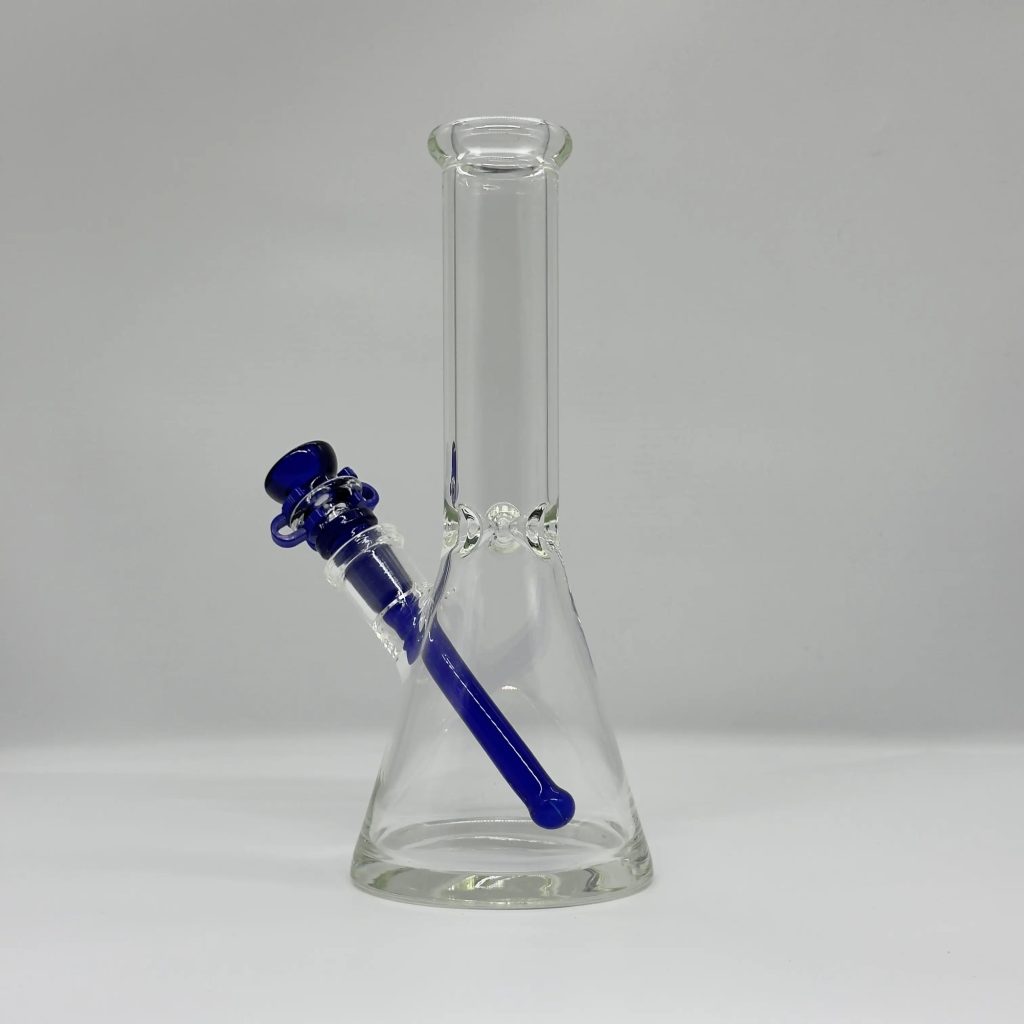
Beaker bongs are the Toyota Corolla of the bong world: reliable, stable, and hard to knock over. The wide base gives you a low center of gravity, and the classic beaker shape holds enough water to filter your smoke without being bulky.
Most mini bongs in the beaker style run between $15 and $35. They’re typically 6 to 8 inches tall — perfect for a nightstand, a shelf, or anywhere you want a quick, dependable session. If you’re brand new to this, start here. I did, and I still reach for my little beaker more than my expensive collection pieces.
Smart buyer tip: Look for a removable downstem. It makes cleaning ten times easier and lets you upgrade the downstem later without buying a whole new piece.
Straight Tube Bongs
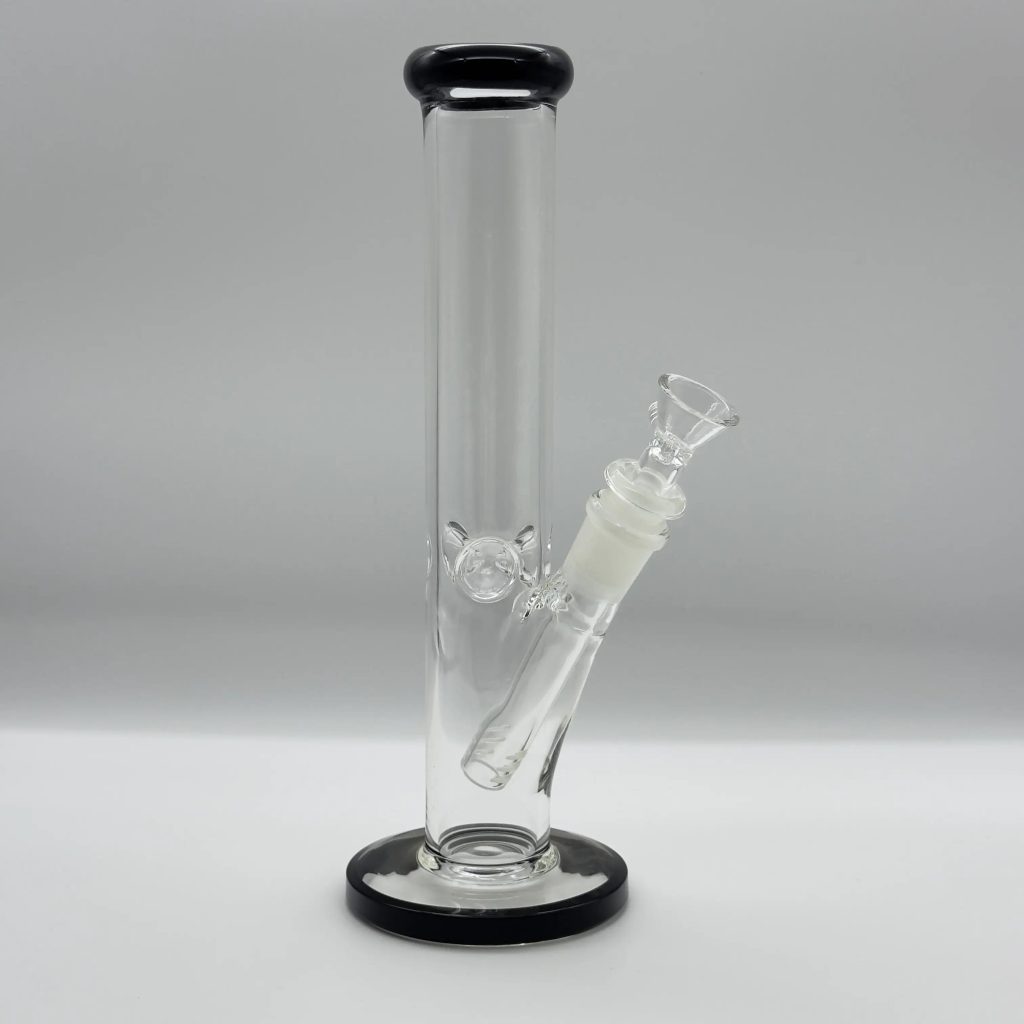
A straight tube bong is exactly what it sounds like — a straight cylinder with a bowl, downstem, and mouthpiece. No curves, no chambers, no nonsense. What you get is a direct, powerful hit with minimal drag.
I love these for their simplicity. They’re the easiest to clean in the entire bong universe — you can rinse one out in under two minutes. Most straight tube models under $50 range from $20 to $40 and often come with an ice catcher built into the neck, which cools your smoke for smooth hits without any extra cost.
The one downside? They tip. If you have cats, roommates, or clumsy hands, a straight tube on a cluttered desk is a gamble. Consider a silicone base protector (about $3) if you go this route.
Smart buyer tip: Choose a 14mm joint size — it’s the most common on the market, so replacement bowls and smoking accessories are easy to find and affordable.
Silicone Bongs
If your smoking journey involves camping, road trips, or just general life chaos, silicone bongs are your best friend. They don’t break. Period. I’ve dropped mine off a park bench onto concrete, and it bounced. Literally bounced.
Most cost between $15 and $30. Many come in fun colors — blue, green, orange, purple, pink, yellow, teal, even rainbow — and some have hidden stash compartments or detachable parts for easy travel. They’re virtually indestructible and perfect for casual use when you don’t want to worry about glass.
Smart buyer tip: Make sure it’s labeled food grade silicone and BPA free. Not all silicone is created equal — cheap knockoffs can off-gas at high temperatures.
Bubblers
Think of a bubbler as the bridge between a hand pipe and a full-size bong. It’s compact — typically 5 to 7 inches — but has a small water chamber that filters and cools your smoke.
Bubblers are ideal if you like the portability of a pipe but want the smooth hits and clean hits that come with water filtration. They’re also more discreet than a full-size water pipe. You can find quality glass bubblers for $15 to $45, and they make an excellent entry point if a full bong feels intimidating.
Smart buyer tip: Bubblers with a flat bottom are easier to set down. Round-bottom bubblers look cool but tend to roll — and that’s nerve-wracking with glass.
Basic Percolator Bongs
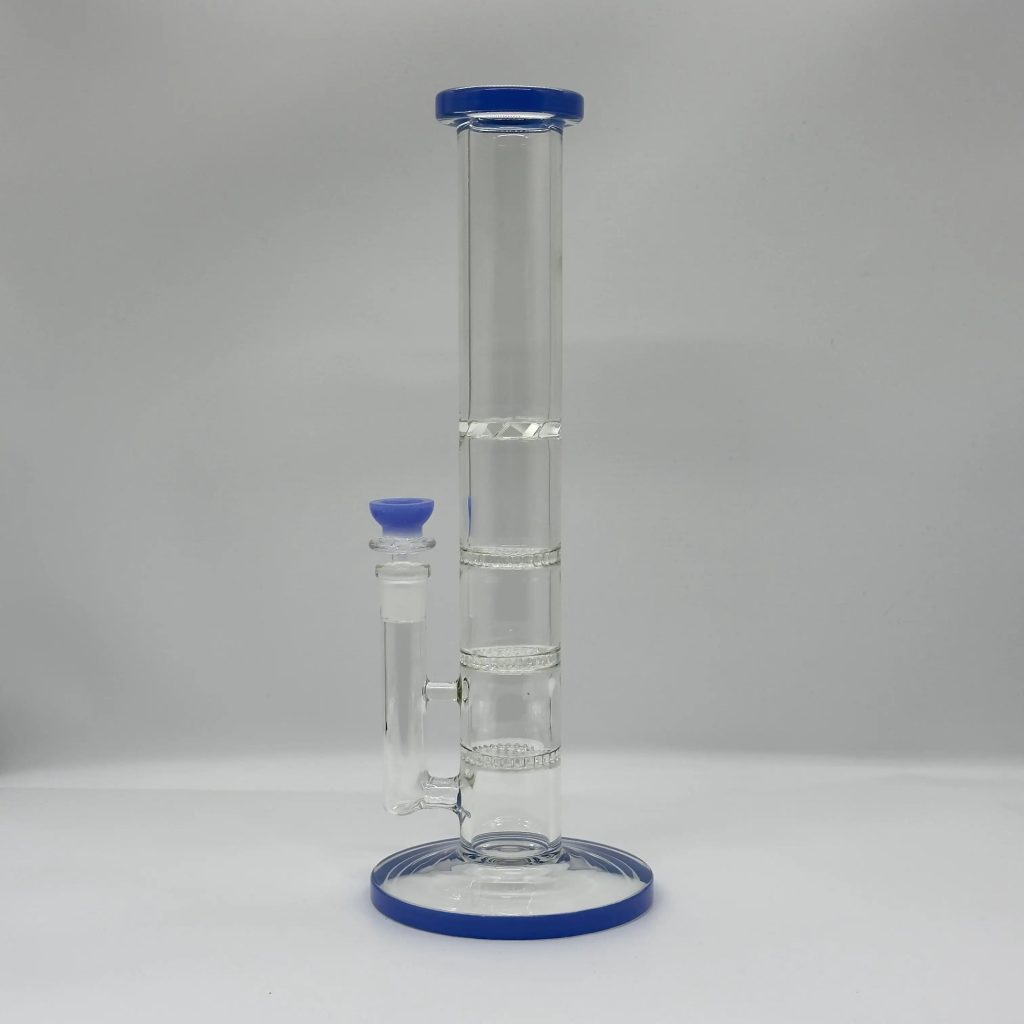
Percolator bongs use built-in structures — showerhead discs, honeycomb plates, or tree arms — to break your smoke into smaller bubbles. More bubbles = more water contact = cooler, smoother, more satisfying hits.
Now, most complex perc systems live in the $80–$200+ range. But you can find bongs under 50 with a single basic perc — usually a showerhead or inline design. These won’t give you the multi-stage filtration of their expensive counterparts, but they absolutely deliver a noticeably smoother pull than a plain tube.
Expect to pay $30 to $50. They’re a bit harder to clean because of the internal structures, but the payoff in smoothness is real.
Smart buyer tip: Avoid bongs with percolators that are fused in and look overly delicate. If the perc breaks, the whole bong is done.
The Budget Buyer’s Checklist
This is the section I’m most proud of — because it’s the one that will save you the most money. I’ve turned this into a checklist you can pull up on your phone while browsing any shop or online sale.
7 Things to Check on Any Bong Under $50
- Glass thickness — Minimum 3mm. Pick it up if you can — thick borosilicate glass has noticeable heft. If it feels like holding a wine glass, it’s too thin.
- Joint size — 14mm is the gold standard for budget bongs. It’s the most widely available size, meaning replacement bowls, ash catchers, and other smoking accessories are easy to find at low cost. 18mm works too but is more common on larger pieces.
- Removable downstem — This is non-negotiable for me. A fixed downstem means you can’t easily clean the inside, and you can’t upgrade later. Removable = smart.
- Stable base — Beaker bongs win here naturally. If you’re buying a straight tube, make sure the base is wide enough that it won’t tip from a slight bump. A spilled bong isn’t just annoying — it’s a broken bong.
- Ice catcher — Not essential, but a fantastic bonus at this price point. Ice catchers are pinched notches in the neck that hold ice cubes, cooling your smoke for an enjoyable smoking experience on hot days. Many bongs under 50 include them.
- No visible defects — Hold the glass up to the light. Tiny air bubbles trapped in the glass are weak points that can crack under heat stress. Uneven seams where the joint meets the body are another red flag. Quality control slips happen in mass production, so inspect carefully.
- Return policy — A reputable shop will offer at least a 30-day return or breakage policy. If there’s no policy listed, I move on. It’s a sign that the seller doesn’t stand behind their product.
Red Flags That Scream “Skip This”
- No material listed — If the listing doesn’t say “borosilicate glass” or “food grade silicone,” assume the worst. Phrases like “high quality glass” without specifying the type of glass are not enough.
- Crazy designs at suspiciously low prices — A “triple honeycomb percolator bong” for $8? That’s not a deal. That’s acrylic or ultra-thin soda-lime glass dressed up in a product photo.
- Zero customer reviews — No reviews, no photos, no questions answered? No purchase. Real buyers leave real feedback, and it’s the best quality signal in the market for inexpensive bongs.
- No stated glass thickness — This one is simple. Good manufacturers know their glass thickness is a selling point. If they don’t mention it, there’s probably nothing worth mentioning.
I keep this list bookmarked on my phone. It’s saved me from at least four bad purchases — and probably saved my bank account a good $60 in wasted money overall. Think of it as your armor against the flood of cheap bongs for sale that look great in photos but fall apart in your hands.
Why Are Some Bongs So Cheap?
I get this question a lot — and honestly, I asked it myself for years. When you see a decent-looking glass bong listed for $25, your brain immediately suspects a catch. What’s wrong with it? Will it fall apart? Is it made of some mystery material that’ll make my lungs hate me?
Here’s the truth: most cheap bongs aren’t cheap because they’re bad. They’re cheap because they’re mass-produced.
Think about it this way. A handmade, one-of-a-kind bong from an independent glass artist costs $150–$500+ because you’re paying for hours of skilled labor, artistic design, and small-batch craftsmanship. That’s the premium price tag. It’s art that you smoke out of.
A budget friendly bong at $25? It’s manufactured in a factory — usually in Shenzhen, China — where thousands of identical pieces come off the line every day. The borosilicate glass is the same. The basic function is the same. What you lose is the artistic uniqueness, the heavier glass walls, and the complex multi-chamber percolation systems.
What you keep is everything that matters for daily use: solid filtration, smooth hits, durable construction, and a reliable smoking experience.
I think of it like cars. A brand-new Honda Civic and a custom-built sports car both get you from point A to point B. One costs ten times more — but the Civic still runs beautifully, gets the job done, and doesn’t let you down. That’s your $30 beaker bong. It’s not trying to be art. It’s trying to be functional — and it succeeds.
So no, cheap doesn’t mean junk. It means accessible. And that’s something to feel good about, not suspicious of. Stop overthinking the price and start checking the materials. That’s where the real difference lives.
How to Keep Your Cheap Bong Clean
Here’s a truth nobody warns you about: a $40 bong that you never clean becomes a $0 bong pretty fast. Not because it breaks — but because it becomes genuinely unsafe to use.
I learned this one the hard way. I let my first piece go uncleaned for about two weeks. By day ten, there was a slimy film floating on the water. That film? It’s called biofilm — a living layer of bacteria that can include E. coli, mold, and fungi. When you take a hit through contaminated water, those microorganisms ride the vapor straight into your lungs. Respiratory infections, inflammation, and even pneumonia are real risks.
Not trying to scare you. Just trying to keep you safe. And the good news? Keeping your bong clean is genuinely easy.
The 5-Minute Cleaning Method
Here’s the exact method I use every week. It takes five minutes and costs almost nothing:
- Rinse with warm water — Dump the old water and run warm (not boiling) water through the piece to loosen any debris. Wipe down the mouthpiece.
- Add isopropyl alcohol and coarse salt — Pour 91% isopropyl alcohol (you can find it at any pharmacy for $3) into the chamber until it’s about halfway full. Add a generous handful of coarse salt — Epsom salt or rock salt works best. The alcohol dissolves resin; the salt acts as a scrub brush for the inside walls.
- Cover and shake — Plug the openings with your palms or silicone caps, then shake vigorously for 2–3 minutes. For heavily stained pieces, let the solution soak for 30 minutes to an hour before shaking again.
- Rinse thoroughly — This step is critical. Rinse with plenty of warm water until there’s no alcohol smell or salt residue left. According to the EPA, isopropyl alcohol is classified as a toxic substance. If you don’t rinse completely, residual alcohol can ignite when you bring a flame near the bowl. Don’t skip this.
- Air dry — Set it upside down on a towel and let it air dry completely before your next session.
How Often Should You Do This?
- Change the water: After every single session. Every time. No exceptions.
- Deep clean with alcohol + salt: Once a week for regular use.
- Full inspection: Once a month, hold the glass up to a light and check for hairline cracks, especially around the joint and downstem.
The CDC’s general principles for cleaning and disinfection emphasize that you must remove visible organic residue before disinfecting any surface — the same logic applies here. Clean first, then sterilize. Your lungs will thank you.
The cost of maintaining your bong? Maybe $5 a month for alcohol and salt. The cost of not maintaining it? Your health. That math is simple.
FAQs
Are cheap bongs safe to use?
Yes — if they’re made from borosilicate glass or food-grade silicone. Avoid acrylic, aluminum, or unidentified materials. The FDA considers borosilicate glass safe for food contact, and it’s the same glass used in laboratory equipment.
Is a $20 bong worth it?
It can be. A simple borosilicate glass straight tube or mini beaker at $20 will deliver a solid, filtered smoking experience. You won’t get fancy percolation, but you’ll get clean, functional hits.
Glass or silicone — which is better for beginners?
Glass gives better flavor and is easier to clean. Silicone is virtually unbreakable and great for travel. If the bong stays on a shelf at home, go glass. If it goes in a backpack, go silicone.
How often should I change bong water?
After every session. Stagnant bong water breeds bacteria and mold within 24 hours, which can cause respiratory infections when inhaled.
Conclusion
If someone had handed me this guide before my first purchase, I’d still have that $60 I wasted on two terrible pieces. But honestly? Those mistakes taught me everything I just shared with you — and that’s worth more than any single bong on the market.
Here’s the reality: the gap between cheap bongs and their expensive counterparts is much smaller than most people think. A $35 borosilicate glass beaker and a $200 hand-blown showpiece both filter smoke through water. Both deliver satisfying hits. Both sit on your shelf and do the same job. The difference? One is a tool. The other is art. And if you’re reading a buyer’s guide, you’re probably here for the tool — and there’s nothing wrong with that.