
Buying a bong in 2025 isn’t just about picking a cool bong in your favorite color. It’s about finding a piece that fits your lungs, your lifestyle, and your health. Maybe that first cheap bong you grabbed made you cough for ten minutes and taught you that not all water pipes are the same. Now you’re looking for something better—whether that’s a smooth percolator bong or a sturdy beaker bong you can rely on every day.
The market has shifted fast. Older “gas station” pieces were often thin plastic or mystery glass. Now, more brands are using borosilicate “scientific” glass, the same type used in lab equipment, because it handles heat better and is easier to keep clean.
Why Use a Water Pipe?
A big question people Google before they buy is: “Do bongs actually filter smoke?” The short answer: yes, but they don’t make smoking “safe.” They mainly make it cooler and less harsh.
When smoke passes through water, several things happen:
- The water absorbs some heat, so the smoke reaching your throat is cooler.
- The water catches part of the heavy particulate matter (tiny solid and liquid droplets) that would otherwise hit your airways.
One early study on water pipes found that a water bong could retain around 90% of phenols and about 50% of particulate matter in the smoke passing through it. This is similar to how point-of-use water filters trap contaminants in drinking water using physical and chemical filtration.
However, cooler and smoother smoke is still smoke. Health groups like the American Lung Association and the Centers for Disease Control and Prevention (CDC) point out that inhaling any burned plant material can irritate and damage the lungs over time.
So, a bong is a harm-reduction tool, not a magic shield. It can reduce harshness and some particles, but it doesn’t erase the health risks of smoking.
Choosing the Right Material
Before you fall in love with a design, you need to know what it’s made of. Material affects flavor, durability, and safety.
Borosilicate Glass
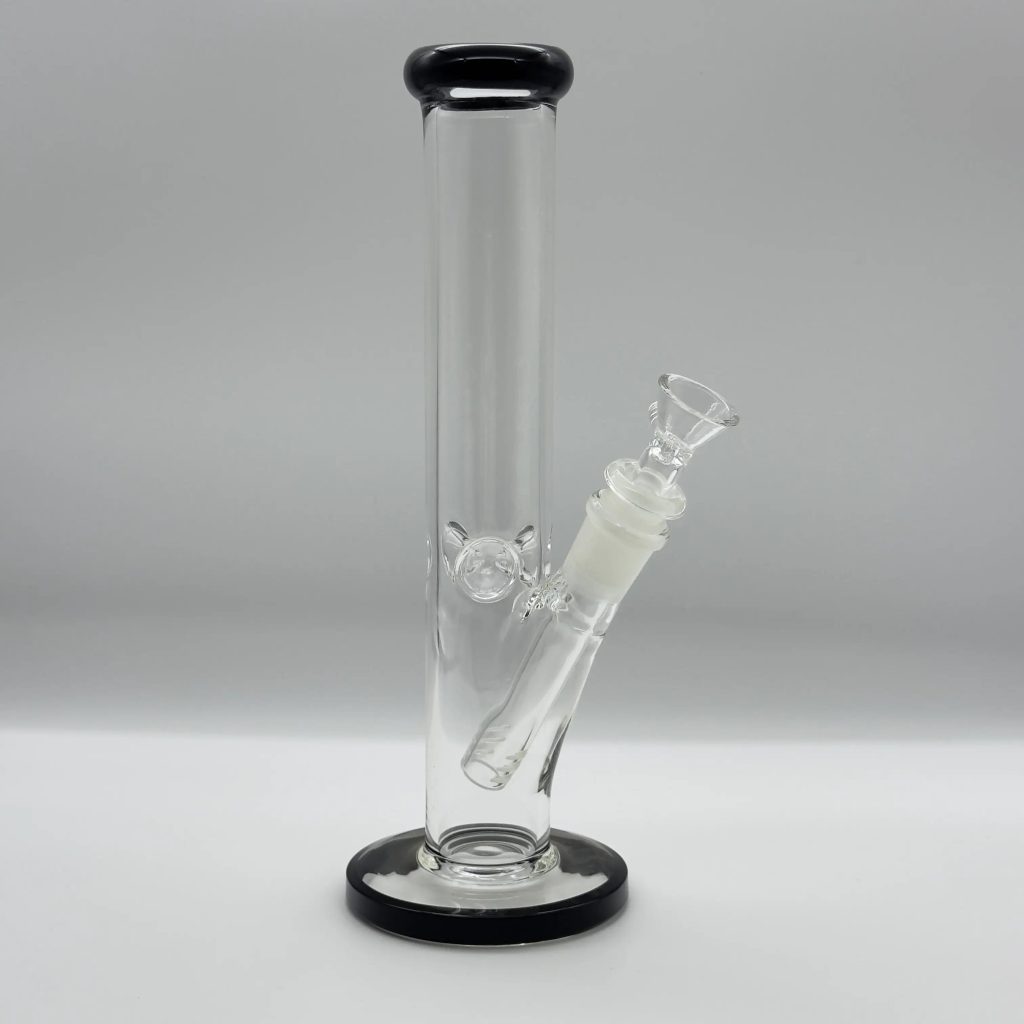
Borosilicate glass is the gold standard. It’s made from silica plus boron trioxide, which gives it low thermal expansion and makes it highly resistant to cracking from rapid temperature changes. That’s why labs and cookware brands use it. For bongs, this means:
- Cleaner taste (no plastic flavor)
- Better heat resistance around the bowl and joint
- Less risk of sudden cracking when hot glass meets cooler air or water
Silicone Bong
Food-grade silicone bongs are basically unbreakable and great for travel. But they can hold onto smells and resin more than glass, and they don’t feel as “clean” to many people.
Ceramic
Ceramic pieces are sturdy and can look like art, but they’re opaque—you can’t see how dirty the water is—and they’re often heavier.
In general:
- Choose borosilicate glass for your main home “daily driver.”
- Use silicone for camping, festivals, and clumsy friends.
- Treat ceramic as a special or display piece.
Finding Your Size: The “Lifestyle” Test
Instead of asking “How tall should my bong be?”, ask:
Does this bong match my lungs, my space, and my routine?
Health organizations note that the average healthy adult lung capacity is around 6 liters at maximum, but most of us don’t breathe anywhere near that on a normal breath. Your bong doesn’t need to “max out” your lungs to hit well.
Think in lifestyle sizes:
- The “Desk Buddy” (6–10 inches)
- Easy to stash in a drawer or on a shelf
- Great for quick solo sessions
- Shorter path = stronger flavor, slightly warmer smoke
- The “Daily Driver” (12–16 inches)
- The sweet spot for most people
- Enough room for more water and maybe ice
- Good balance between smoothness and flavor
- The “Centerpiece” (18+ inches)
- Big, showy, and powerful
- Can feel very smooth but needs more lung power and more cleaning
- Harder to rinse in a small sink or tub
If you live in a small apartment, share your space, or hate cleaning, a 12–14 inch beaker is often the smartest first choice.
Shapes & Percs Explained
Shape isn’t just about looks. It changes stability, drag, and how the smoke feels.
Beaker Base Bongs
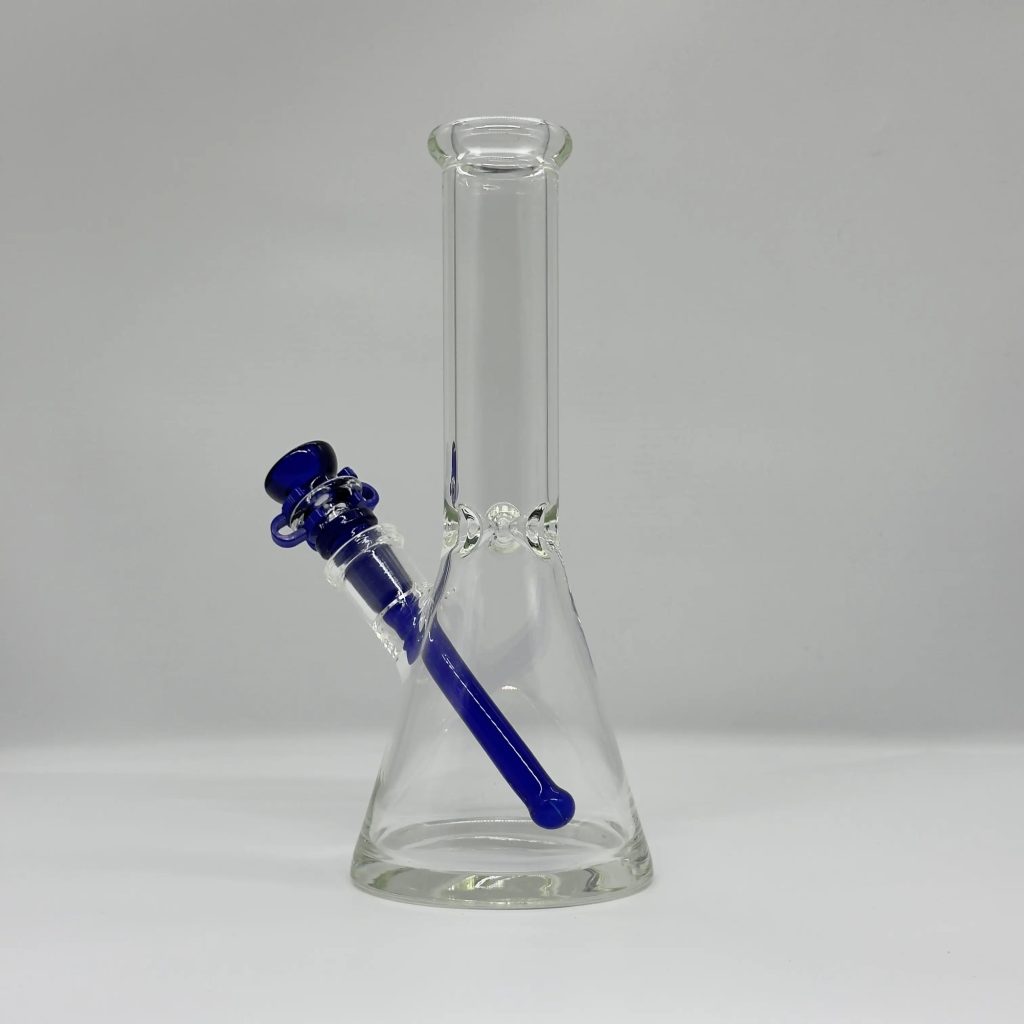
- Wide bottom like a lab beaker
- Holds more water = more stability and cooling
- Less likely to tip over if someone bumps the table
- Great for beginners who want smooth, forgiving hits
Straight Tube Bongs
- Slim, straight cylinder
- Less water and less drag, so they clear faster
- Good if you like “snappy” hits and don’t mind a slightly sharper feel
Percolators Bong
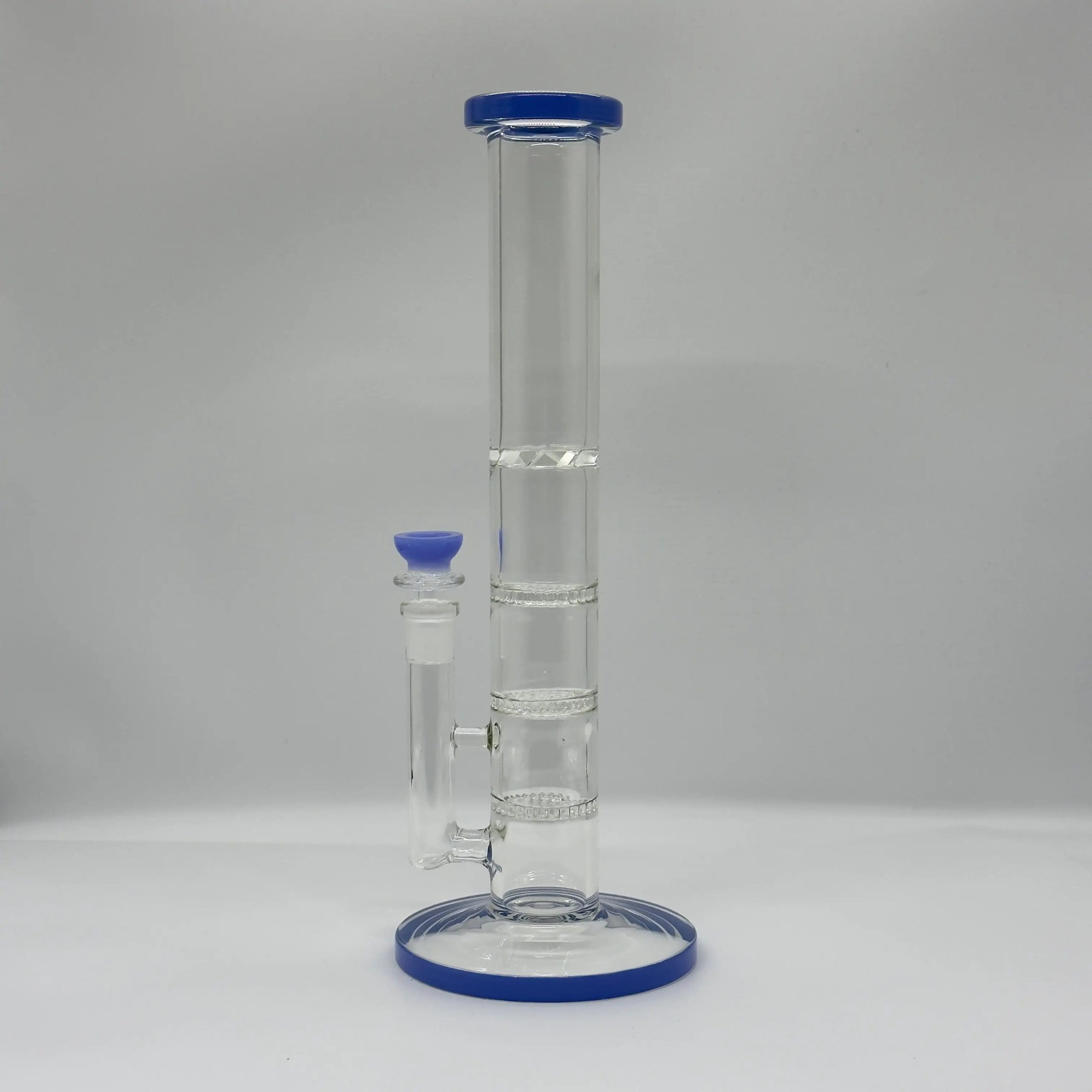
Percolators are internal features that break the smoke into lots of tiny bubbles. More bubbles = more surface area touching water, which improves cooling and filtration of particles—similar to how higher surface area improves gas-liquid contact in industrial filtration systems.
Common perc types (tree, honeycomb, showerhead, matrix) all follow this same idea: more, smaller bubbles = smoother hits.
The catch?
- More percs = more drag (harder to pull)
- More percs = more places for resin to hide, which can impact hygiene and lung comfort if you don’t clean often—something respiratory health experts consistently warn about with any smoke exposure.
For your first piece, choose a simple beaker with one perc or just a diffused downstem. You’ll get smoother hits without giving yourself a cleaning nightmare.
Joint Sizes and Gender
You’ve picked your shape. Now you need to make sure all the parts actually fit together. This is where joint size and gender matter.
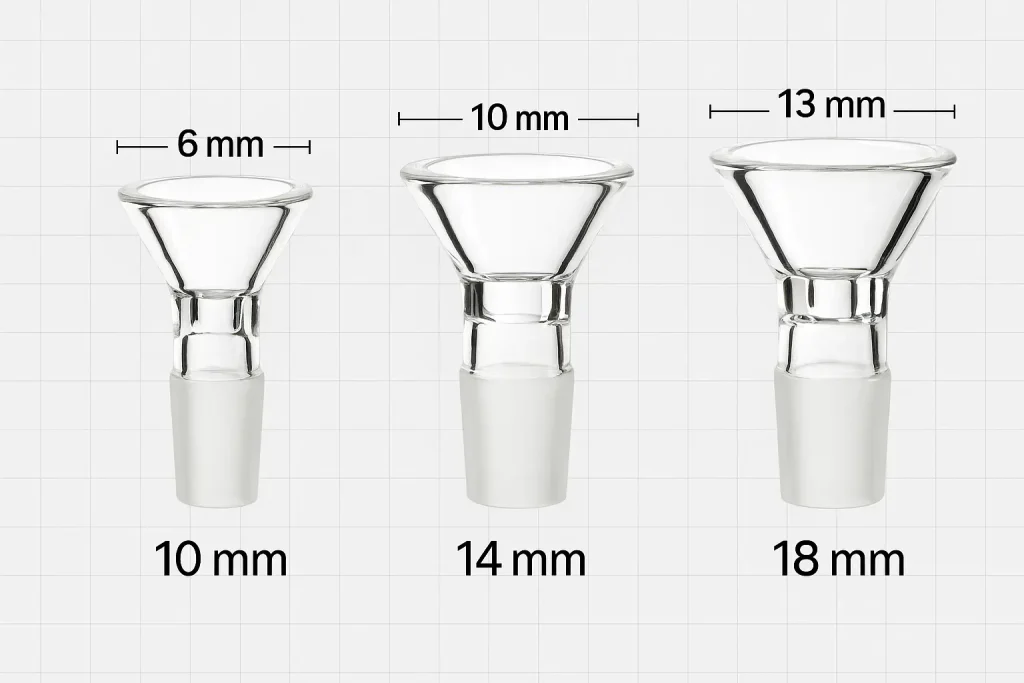
Most modern bongs use one of three joint sizes:
- 10mm – Tiny. Common on dab rigs and mini pieces.
- 14mm – The standard. Around 90% of everyday bongs use this size.
- 18mm – Bigger joint with higher airflow, usually on large beakers.
A quick “finger test”:
- If your pinky fits in the joint, it’s probably 18mm.
- If it’s closer to a AAA battery, it’s likely 14mm.
“Gender” just means which way the glass fits:
- Female joint: opening faces up, and the bowl/downstem slides into it.
- Male joint: fits into a female joint or accessory.
When you’re learning how to buy a bong, matching size + gender is what stops you from ordering a bowl that literally can’t plug into your new piece.
What Do You Actually Pay For?
Price is where a lot of beginners get lost. Here’s the truth: you’re not just paying for a logo—you’re paying for thickness, material, and build quality.
Rough guide for a 2025 bong budget:
- $50–$100
- Thin glass, OK starter pieces
- Good for testing what you like, but more fragile
- $100–$200 (the sweet spot)
- Thicker borosilicate (often 5–9 mm)
- Better welds on joints and percs
- Often made or finished by more reputable brands
- $300+
- Brand names, custom art, complex percs
- You’re paying for design, limited runs, and collectability
Health experts like the American Lung Association remind us that any smoke can irritate your lungs, no matter how fancy the piece is. So don’t feel forced into a $500 showpiece. For most people, the best bong for beginners lives right in that $100–$200 range: thick, simple, and easy to clean.
The Rule of “Salt and Isopropyl”
A great bong becomes disgusting fast if you don’t clean it. Old resin and dirty water aren’t just gross—they can trap bacteria and mold in a warm, wet environment. Public health agencies warn that poor cleaning habits in damp environments can increase exposure to microbes that irritate the lungs.
The classic method many people use is:
- Empty the water.
- Add coarse salt (as a scrubber).
- Add isopropyl alcohol (around 70–90%) as the solvent.
- Plug the holes, shake, then rinse with hot water.
The CDC notes that alcohol solutions in the 60–90% range are widely used to disinfect small surfaces and equipment. That doesn’t turn your bong into a medical device, but it’s a good baseline for home hygiene.
As a rule of thumb:
- Change water every session or every day.
- Deep clean with alcohol and salt at least once a week if you use it often.
Your lungs will thank you, and your hits will taste way better.
Conclusion
Buying a bong in 2025 is about much more than picking a cool color on a product page. It’s about choosing a piece that:
- Uses safe materials like borosilicate glass
- Matches your lung capacity and lifestyle
- Has the right size, joint, and perc setup
- Stays clean with a simple salt and isopropyl routine
Health organizations like the CDC and American Lung Association are clear: smoked cannabis, whether in a joint or a bong, can still harm your lungs. But a well-chosen, well-maintained water pipe can make your experience smoother, cooler, and more controlled, especially if you’re moving up from harsh dry pipes.
If you’ve read this far, you now know how to buy a bong with confidence. You understand joints, sizes, materials, and maintenance. From here, your job is simple: pick a clean, sturdy daily driver you’ll actually enjoy using—and keep it clean so every hit feels like the first good one of the day.