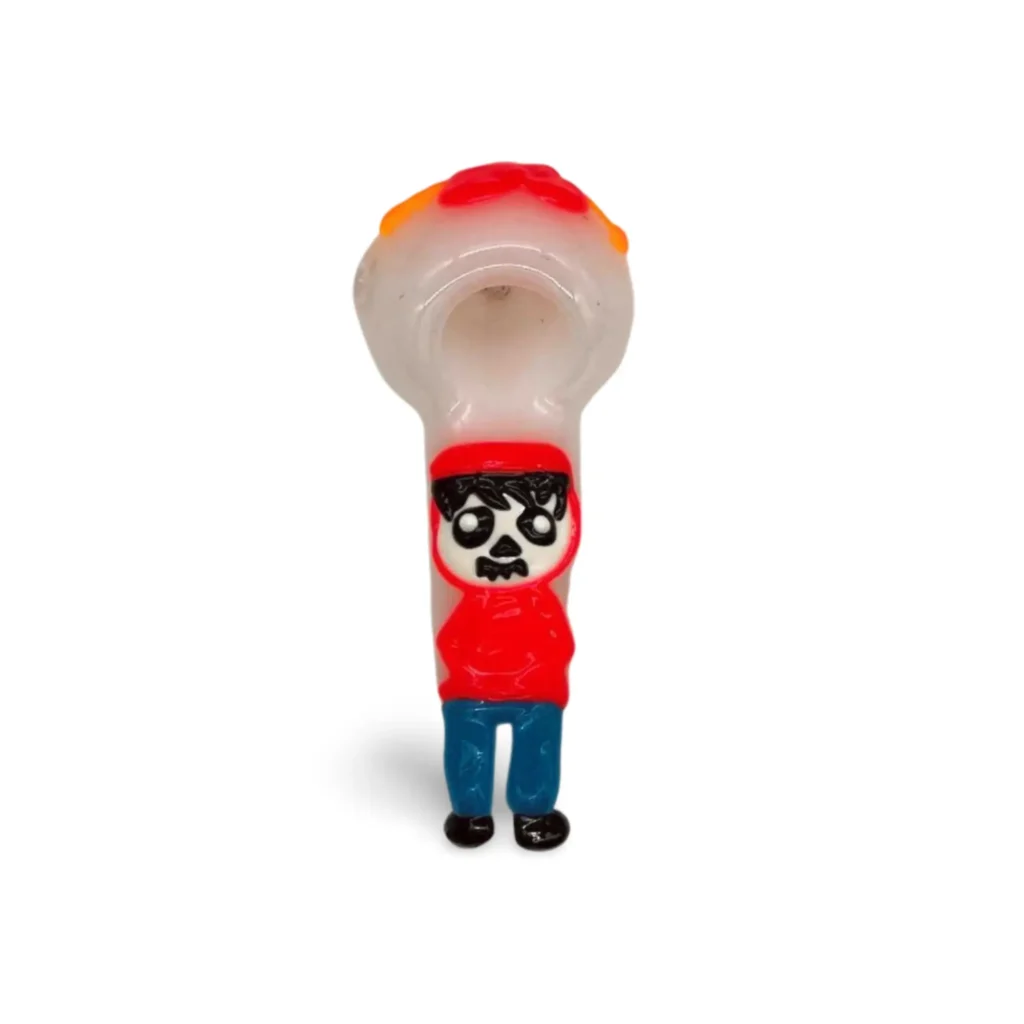

Curious about how bongs work? Put bluntly, a bong filters smoke from marijuana through water to make—surprise—bubbles. These bubbles expand the smoke’s surface, cooling and moistening it to yield an inhalation that is less harsh on the throat than alternative smoking methods.
This guide looks at what each element does and how they work together to provide the smoothest toke from the bowl, downstem, water chamber, percolator and ice pinch; then learn how airflow, water level and diffusion affect your smoking pleasure.
Parts of a Bong
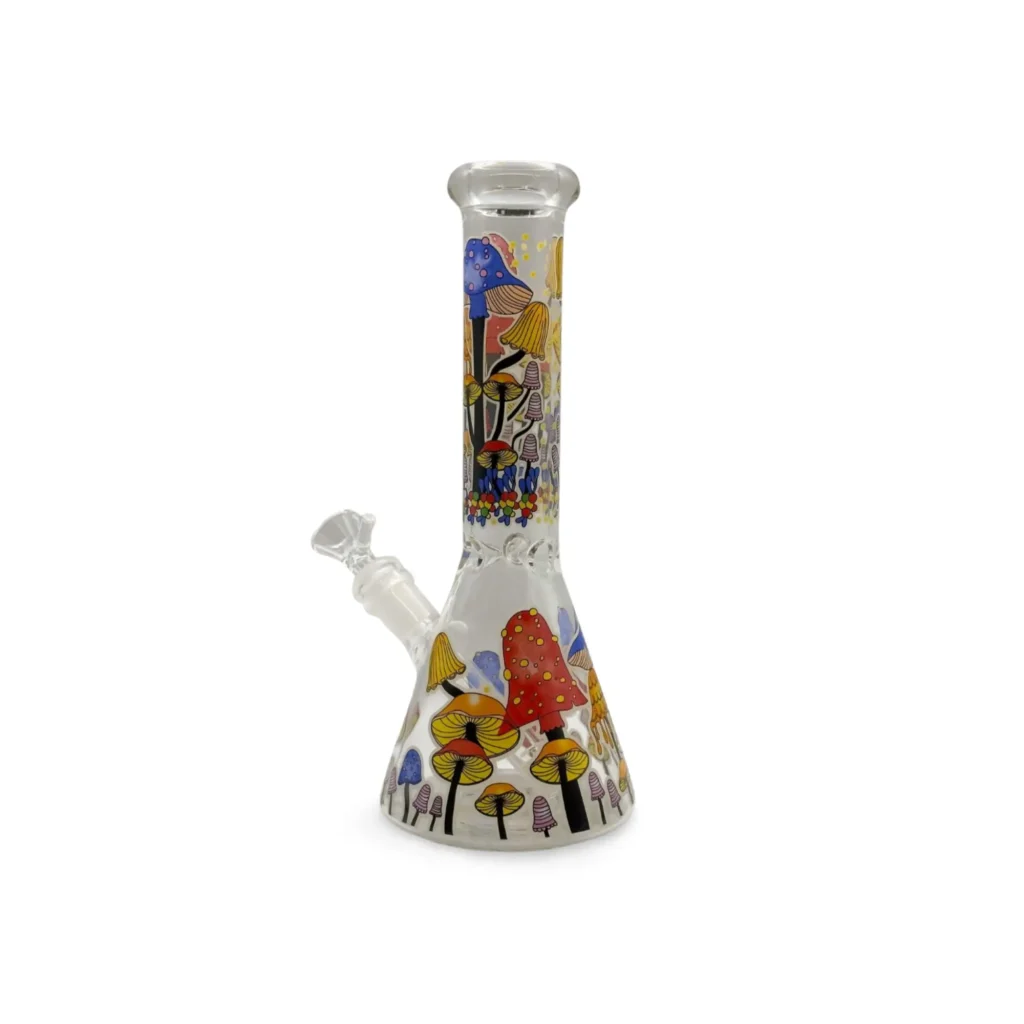
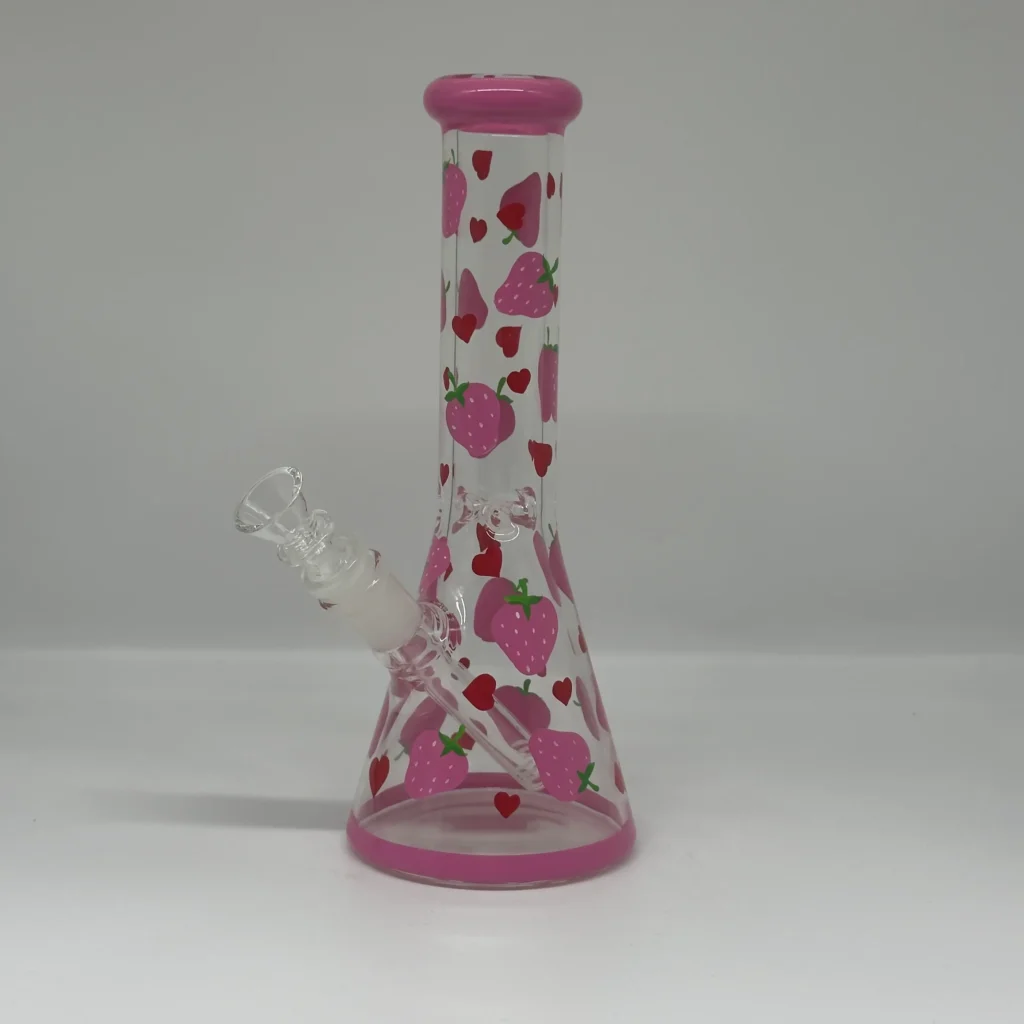
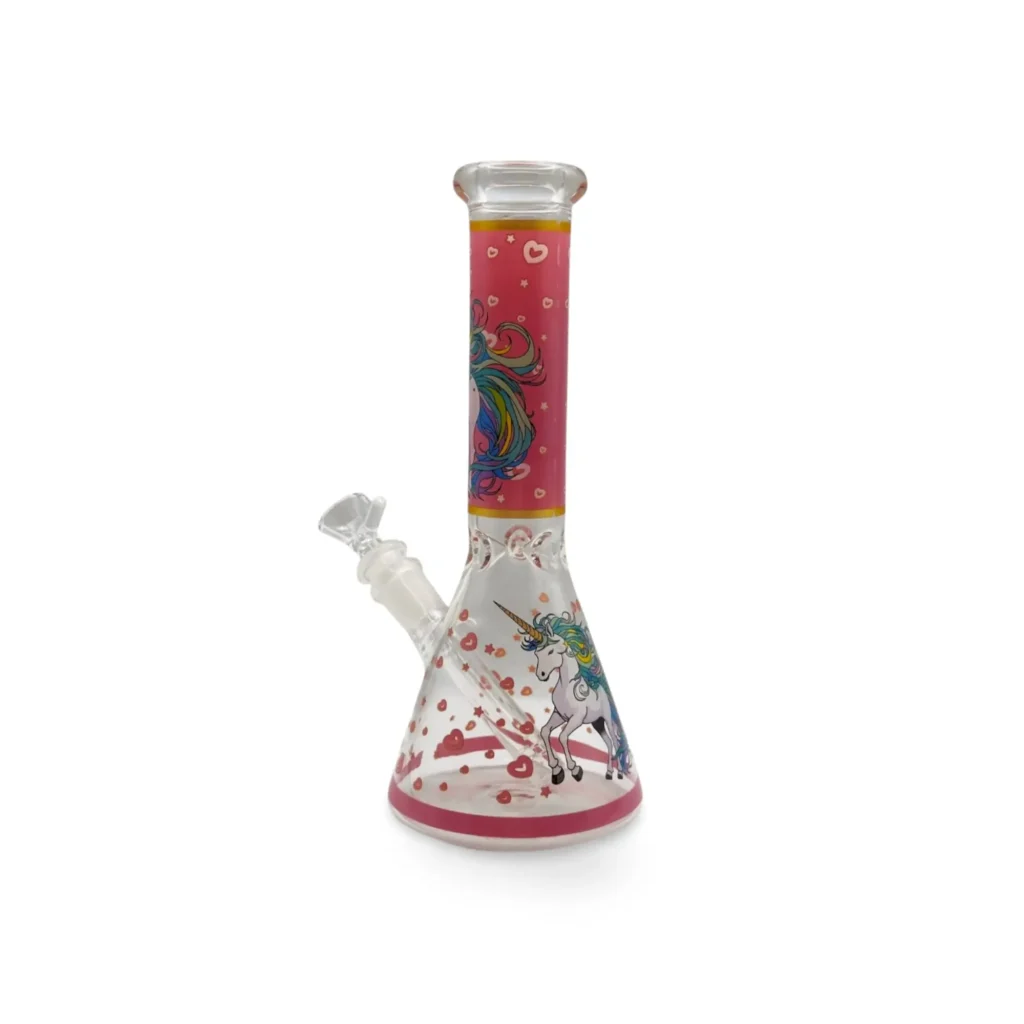
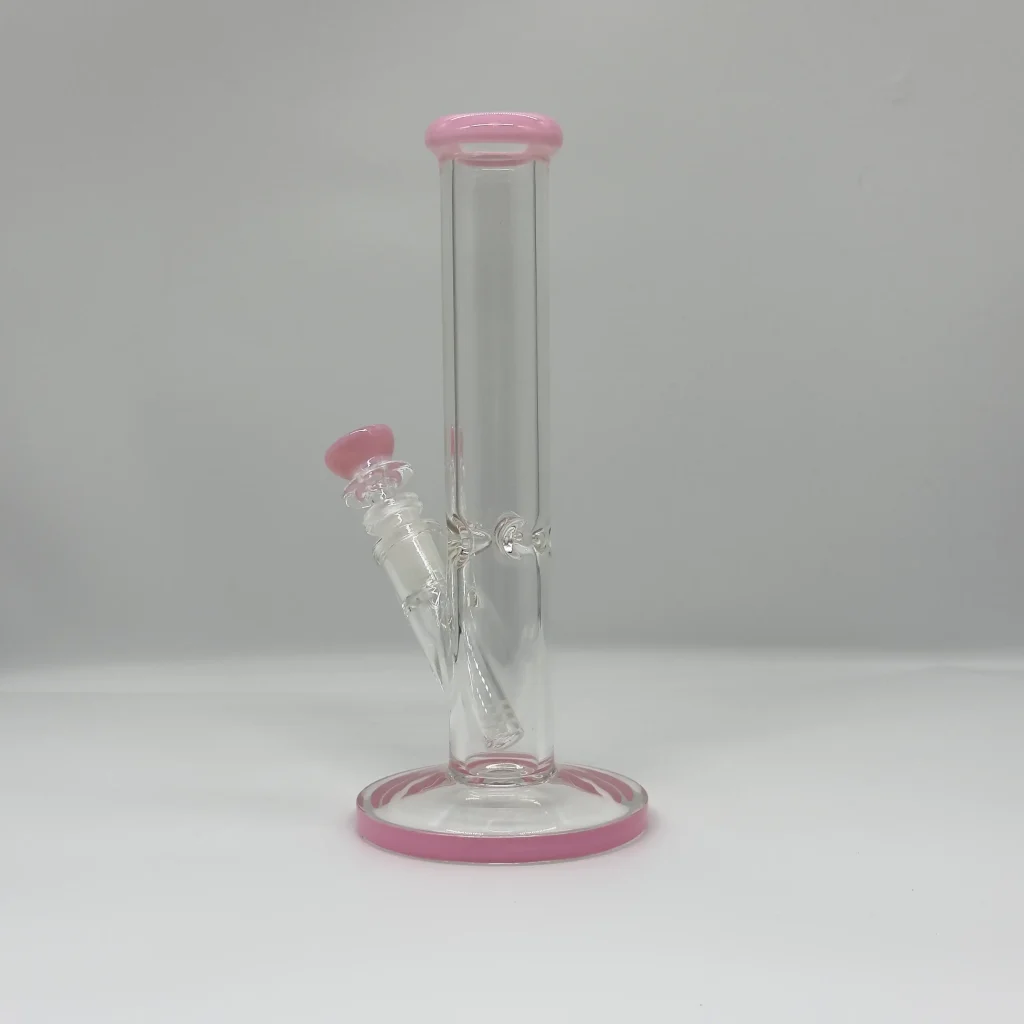
Most bongs share the same core pieces: a bowl, downstem, water chamber, optional percolator, neck with ice pinch for ice cubes, and a mouth/mouthpiece. Some designs use a carb; others rely on a slide bowl you lift to clear remaining smoke.
Materials vary—glass bongs (borosilicate) are clean-tasting; plastic bongs are light but scratch and hold odor. The word “bong” is widely used for devices used for smoking cannabis and is often said to trace to a Thai word for a cylindrical bamboo tube (“baung”).
The Mechanics: Airflow, Bubbles, Cooling
When you ignite the bowl and suck air in, you create negative pressure. The smoke then descends the downstem into the water, where it is forced into bubbles. As more bubbles are formed, then there is more surface area for heat to exchange to the water. The smoke, climbing through the water is cooled, and takes up a little moist vapor. The smoke then flows up into the neck of the bong, through the chamber above the water, and into your mouth and lungs.
Percolators and straight neck vs multi-chambered, help drag and bubble size, they are key to more comfortable hits. However, such design features do not eliminate the presence of tar and other chemicals typically associated with smoking marijuana or tobacco.
Do Bongs Filter Toxins?
Bongs work to cool and diffuse, but water filtration does not remove all toxic gases or fine particles from cannabis smoke.
The water can trap some ash and heavier particles, and it can tame a harsh hit, but you still inhale combustion products.
That’s why health groups say a smoother hit doesn’t equal “safe.” If you want less smoke exposure, consider non-combustion smoking methods or non-inhaled routes; each option has different pros/cons. (Source: https://www.cdc.gov/cannabis/health-effects/lung-health.html)
Water level 101
Water height is the difference between silky and swampy. Submerge the downstem by about ½–1 inch so you hear steady bubbling without splashback. Too little water = hotter draw; too much = hard pull and water in your mouth. Cold water can feel crisp; warm water may soften throat bite.
Some people add ice cubes above an ice pinch for extra cooling—nice for comfort, but it increases condensation (more cleaning). Always change bong water after each smoking session and clean regularly to avoid odor and biofilm.
Percolators Explained
Percolators are small components inside many percolator bongs that break smoke into more bong bubbles. Common styles include showerhead, tree, honeycomb, and matrix.
More, smaller bubbles mean greater surface area in the water chamber, so the hit can feel like smoother smoke.
That said, how do bongs work at the health level? Diffusion changes comfort—not the fact you’re inhaling cannabis smoke with tar and other chemicals.
Ice Catchers & Water Temperature
Many glass bongs include an ice pinch that holds ice cubes in the neck. The extra cooling can make the pull feel less harsh.
Some people prefer cold water; others like slightly hot water (warm, not boiling) to soften throat bite. Try both to find your sweet spot.
No matter the tweak, you’re still inhaling smoke—cooler ≠ “safe.” If your smoking session leaves you coughing, take smaller bowls, slow your draw, and rest between hits.
Bong vs Other Ways to Consume
Compared with hand pipes or joints, regular bongs feel cooler because smoke passes through water. You might take a big hit more easily, which some read as “stronger.” But combustion is still combustion. If you want to reduce smoke exposure, other methods—like tested vaporizers or non-inhaled products—avoid some byproducts of burning.
Cleaning & Care
Fresh bong water and clean glass make a bigger difference than any fancy perc. After each smoking session, dump water and rinse. Weekly (or when cloudy), remove the slide/bowl, add isopropyl alcohol and coarse salt, cover openings, and shake. Rinse thoroughly so no cleaner remains. This keeps remaining smoke from tasting stale, and it protects the part of the bong you put your mouth on.
Tip: wide-mouth pieces are easier to maintain; bubbler styles and multi-percs trap residue faster.
Safety & Etiquette
Know your local laws before you use or carry smoking devices called water pipes. Rules change by state and city. For an example of a consumer page, see California’s guide.
Etiquette: don’t pass to anyone sick, keep your lips inside the mouthpiece (no biting the rim), and never drive impaired. If you choose tobacco leaf add-ons, remember that adds nicotine and more smoke. Health organizations caution that both smoke cannabis and smoke tobacco can irritate lungs:
CDC: Cannabis & Lungs·
ALA: Marijuana & Lung Health.
Comparison to Other Smoking Methods
Bongs are often weighed against hand pipes and joints. Here’s the big difference: bongs use water filtration to spread smoke into bubbles, which cools and humidifies the plume. Many people feel this makes for smoother smoke and easier, larger draws during a smoking session. That’s the comfort win behind “how do bongs work.”
By comparison, joints and hand pipes are simpler and very portable, but the smoke reaches you hotter and drier. If your goal is convenience, these smoking methods may fit better. If your goal is cooler hits, a bong can help.
FAQs
What is the point of smoking through a bong?
Comfort. Water pipes cool and humidify the plume, which many people feel as smoother smoke than a dry pipe or paper. Remember, it’s still smoke with potential health risks.
How long does a bong hit get you high for?
It varies by dose, product strength, and your tolerance. Inhaled THC acts fast (minutes) and can last a couple of hours; big hits from bongs may feel stronger because you can take a big hit quickly.
Are bongs ok for your lungs?
“OK” is relative. Cooling helps comfort, but you’re still inhaling combustion byproducts that can irritate airways.
Conclusion
And now you understand how bongs work: fire ignites airflow, smoke runs down the downstem and into the water chamber. Here, it breaks into bubbles, only to rise again as a cooler, smoother plume. This simple physics — more surface area and scant contact with water — is why many water pipes are gentler than most joints or dry hand pipes.