
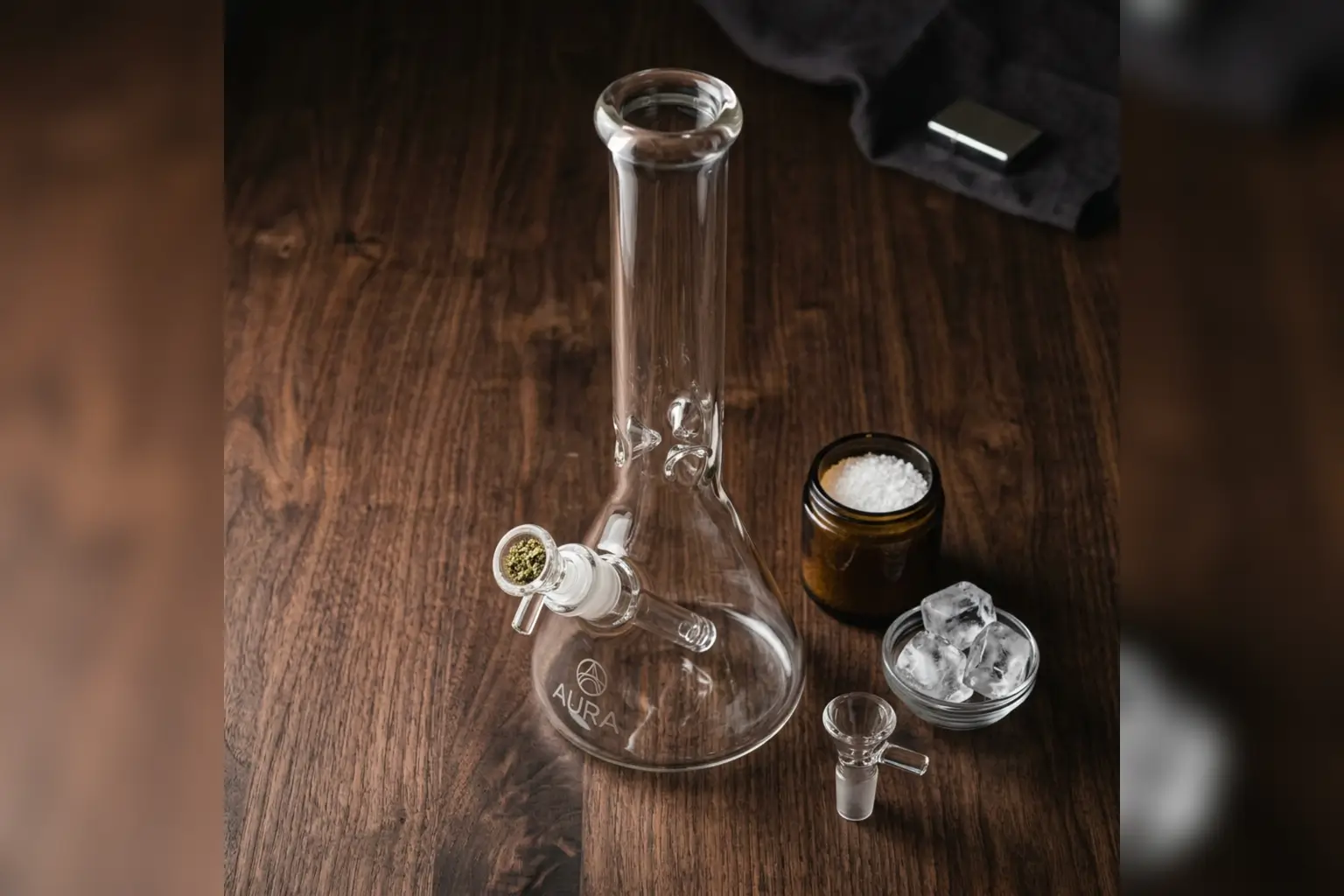
Dropping serious cash on a bong doesn’t guarantee a smooth hit. I’ve watched friends spend $250 on flashy percolator bongs with triple chambers — only to see the thing collect dust because it’s impossible to clean. Meanwhile, my $65 classic beaker bong has been my daily driver for over a year and still rips like day one.
Here’s the thing about building a budget bong setup: the secret isn’t finding the cheapest piece on the shelf. It’s knowing which features actually improve your smoking experience — and which ones are just draining your wallet. Whether you’re shopping for your first glass bong or replacing one that met an unfortunate end on the coffee table, this guide breaks down everything you need to build a smooth, reliable setup for under $100.
Why a Budget Bong Setup Can Still Hit Like a Champ
There’s a myth floating around the bong world that smooth hits require expensive glass. That’s just not true. What actually delivers a clean, cooler smoke comes down to two things: water filtration and smart design. A well-made water pipe with a decent downstem forces smoke through water, cooling it down and filtering out harsh particulates before it reaches your lungs.
The real difference between a rough hit and a smooth one isn’t your price tag. It’s your water volume, whether you add ice, and how clean you keep the piece. A budget bong with fresh bong water, a solid downstem, and a few ice cubes dropped into the neck can deliver smoother hits than a neglected, dirty bong that cost three times as much.
Are Cheap Bongs Actually Worth It?
Let me be direct: “cheap” and “budget” aren’t the same thing. A $15 gas station special with paper-thin walls? That’s cheap — and it’ll probably crack by next week. But budget bongs in the $40–$90 range from reputable sellers? Those can genuinely perform.
What separates them is build quality. A good budget piece uses thick glass (at least 3mm), has a tight seal between the downstem and joint, and keeps the design simple enough to clean easily. You don’t need fancy extras at this price — you need something built to last through everyday use. I learned this the hard way after my first “bargain” bong snapped at the base during a routine cleaning session. Spending $20 more on thick borosilicate glass would’ve saved me the headache. The takeaway? Budget-smart spending beats bargain-bin gambling every time.
Picking the Right Glass for Your Money
Material is where your money matters most. Borosilicate glass — the same heat resistant glass used in lab equipment — is the gold standard for glass bongs. It handles temperature swings without cracking, which is exactly what you need when you’re packing a hot bowl and dropping in ice cubes moments later. Corning’s research on borosilicate properties confirms that this glass type resists thermal shock far better than standard soda-lime glass.
Silicone bongs are another solid option if you’re worried about durability. They’re virtually unbreakable and great for travel. But in my experience, they don’t deliver the same clean taste as glass. Ceramic bongs look cool on a shelf, but they’re harder to gauge water levels and trickier to clean. For a budget bong setup, I’d steer you toward borosilicate glass every time.
Now let’s talk shape — because this is where personal smoking habits come in.
Beaker vs. Straight Tube — Which One Fits Your Style?
| Feature | Beaker Bong | Straight Tube |
|---|---|---|
| Stability | Excellent — wide stable base | Moderate — easier to tip |
| Hit Style | Smooth, gradual | Fast, direct, potent hits |
| Water Chamber | Larger chamber, more filtration | Less cooling, smaller volume |
| Cleaning | Easy — wide base opening | Easy — simple shape |
| Best For | Beginners, everyday use | Experienced users, quick sessions |
A classic beaker bong is hard to beat for most people. That wide base gives you a larger chamber for more water filtration, and the weight keeps it planted on your table. It’s perfect for beginners because the extra water volume naturally cools the smoke.
Straight tubes and straight tube bongs hit differently. The smoke travels a shorter path, so the rip feels more direct and snappy. Smaller bongs and mini bongs fall into this camp too — they’re great as a compact piece for solo sessions, even though the smaller bubbles mean slightly less cooling. If you want big hits with minimal drag, a straight tube might be your move.
The key thing to remember: at this price point, pick one shape that fits your style and invest in quality rather than trying to get a bong with every feature imaginable.
Features That Actually Matter Under $100
Here’s where a lot of first-time buyers go wrong. They see a $50 bong with four different percs and think they’re getting a steal. In reality, complex percolators built with cheap glass tend to be fragile, impossible to clean, and poorly sealed. At a lower price point, simplicity wins.
These are the essential features actually worth your money:
- Ice catcher (ice pinch): Three glass notches in the neck that hold ice cubes above the water. Easily the best bang-for-buck upgrade for cooler smoke.
- Removable downstem: Makes cleaning dramatically easier and lets you upgrade to a diffused downstem later.
- Borosilicate glass bowl: A solid, heat resistant bowl that won’t crack from repeated use.
- Thick glass walls: Aim for 4–5mm. Thick borosilicate glass survives bumps that would shatter thinner pieces.
- Tight seal at the joint: No air leaks means better suction and a more satisfying bong rip.
Skip the multi-perc setups in this range. A single well-made downstem with slits already creates plenty of smaller bubbles for smooth water filtration. You don’t need a gravity bong or stacked chambers — just smart design and solid materials.
Do Ice Catchers Really Make Your Hits Smoother?
Short answer: absolutely. When you drop ice into the ice catcher, the smoke passes over the cold surface as it rises through the neck. This cools it significantly before it reaches your mouth. The result? A noticeably smoother, less harsh hit — without spending a dime more on the bong itself.
I remember the first time I tried adding ice to a piece with an ice pinch. The difference was night and day. The smoke felt almost cool — none of that throat-burning bite you get from a dry hit. If your budget only allows for one upgrade, make sure the piece you buy has an ice catcher. It’s the easiest way to cool the smoke and transform your session. Most best glass bongs under $100 already include one, so this isn’t hard to find.
How to Keep Your Setup Sparkling Clean
A clean bong isn’t just about looks — it directly affects taste, airflow, and your health. Resin buildup and residue buildup clog your downstem, restrict airflow, and turn every hit into a stale, harsh hit.
Here’s my rule: change your bong water after every session. That alone makes a massive difference in clean taste. Then do a full deep clean once a week.
The Iso + Salt Method — Your Bong’s Best Friend
Here’s how to get your piece sparkling clean:
- Disassemble everything. Remove the bowl, downstem, and any ash catcher attachments.
- Rinse with warm water. Run warm water through all the parts to flush loose debris. Don’t use boiling water — borosilicate glass handles heat well, but sudden extreme temperature changes can still stress the glass.
- Add iso + salt. Pour 90%+ isopropyl alcohol into the main chamber until it covers the dirty areas. Add 2–3 tablespoons of coarse salt. Put the smaller parts in resealable bags with the same mixture.
- Shake it. Cover all openings and shake vigorously. The alcohol dissolves the resin while the salt acts as an abrasive scrub against the glass walls.
- Soak stubborn spots. If there’s heavy buildup, let it sit for 30 minutes. Use pipe cleaners to reach tight spots in the downstem and joint.
- Final rinse. Flush everything with warm water until there’s no trace of alcohol or salt. Let all parts air dry before reassembling.
That’s it — five minutes of active work for a sparkling clean piece that tastes like new. Keeping up with this routine prevents the kind of nasty resin buildup that turns a great bong into a dirty bong nobody wants to use.
Building Your Full Setup — A Smart Shopping Checklist
Here’s what most “best bong” articles won’t tell you: a great smoking experience isn’t about finding one bong — it’s about assembling a setup where every part works together. And you can absolutely do that under $100.
Here’s how I’d break down the budget:
| Item | Price Range | Why It Matters |
|---|---|---|
| Beaker bong (9–12″, thick borosilicate) | $45–$70 | Your daily driver — the foundation of the whole setup |
| Quality glass bowl | $8–$15 | A solid borosilicate glass bowl with good airflow beats the stock bowl on most bongs |
| Ash catcher (optional) | $12–$20 | Keeps your water chamber cleaner between sessions |
| Cleaning supplies (iso + salt + pipe cleaners) | $5–$10 | Non-negotiable for long-term performance |
| Total | $70–$100 | A complete, high-performing setup |
Start with the bong itself. A 10-inch beaker bong in thick borosilicate glass with an ice catcher is the sweet spot.
The stock bowl that comes with most bongs works fine at first, but upgrading to a thicker borosilicate glass bowl with a better screen gives you improved airflow and a cleaner burn. An ash catcher is optional but worth the $15 if you hate cleaning — it traps debris before it hits the bong water, keeping the main chamber cleaner for longer.
What Size Bong Should a Beginner Get?
Stick to the 8–12 inch range. This gives you enough height in the water chamber to smoke smoother without making the piece too bulky to store or clean.
Smaller bongs (under 8 inches) are more portable and discreet — great as a compact piece for travel or tight spaces. But the shorter path means the smoke has less time to cool, so expect slightly more bite.
Anything over 14 inches looks impressive, but for a budget bong setup, bigger means more glass to break, more water capacity to fill, and harder maintenance. Unless you want a showpiece for your coffee table that you’ll need to baby, a mid-size beaker is the right bong for most people.
The bottom line: you don’t need to chase the best bong at the highest price. A thick glass, well-designed beaker with an ice catcher, a quality bowl, and regular cleaning will give you smooth, potent hits session after session. That bad boy will outperform flashy, overpriced alternatives all day — and your wallet will thank you for it.
Ready to build your setup? Grab a thick borosilicate beaker with an ice catcher, pick up a quality bowl and some cleaning supplies, and stay up to date on maintenance. You’ll be pulling big hits from a setup that punches way above its price point.
Conclusion
With so many types of bongs on the market, it’s easy to get overwhelmed — or overspend. But a genuinely great smoking experience doesn’t come from the most expensive piece in the shop. It comes from making smart calls on the stuff that actually matters: solid borosilicate glass, a shape that fits your smoking habits, and a handful of key features that earn their place.
We’ve seen people drop $200 on some elaborate bong called a “multi-chamber recycler” that ends up sitting in a closet because nobody wants to clean it. Meanwhile, a straightforward budget bong setup — a thick glass beaker, a quality borosilicate glass bowl, and a bottle of isopropyl alcohol — keeps delivering smoother hits week after week.
Frequently Asked Questions
What is the best type of bong for beginners on a budget?
A classic beaker bong made from thick borosilicate glass is the best starting point. The wide stable base resists tipping, the larger chamber provides excellent water filtration, and the simple design makes cleaning effortless. You can find solid options in the $45–$70 range — well within reach for a complete budget bong setup under $100.
How often should I clean my bong?
Swap out your bong water after every session — fresh water means a clean taste and better filtration. Then do a full deep clean with isopropyl alcohol and coarse salt at least once a week. Sticking to this routine prevents resin buildup and residue buildup, and keeps your piece performing like new for months.
Are silicone bongs as good as glass bongs?
Silicone bongs are nearly unbreakable — great for travel or if you’re accident-prone. But when it comes to flavor and overall smoking experience, glass bongs (especially borosilicate glass) win hands down. Glass delivers a purer, clean taste that silicone can’t quite match. If you mostly smoke at home, glass is the right bong material.
Does adding ice to a bong really make a difference?
Yes — and it’s one of the cheapest upgrades out there. Dropping ice cubes into an ice catcher cools the smoke before it reaches your lungs, turning a potentially harsh hit into a noticeably smoother one. Most budget bongs under $100 include an ice pinch, so you won’t need to spend extra to enjoy cooler smoke.
Can I get a good bong setup for under $50?
You can find a functional bong under $50, but expect thinner walls and fewer essential features. The real sweet spot is $60–$90, where you get thick glass, an ice catcher, and a removable downstem — the key features that separate a forgettable piece from a reliable daily driver. Pair it with $10–$15 in cleaning supplies and you’ve got a complete setup under the $100 mark.