
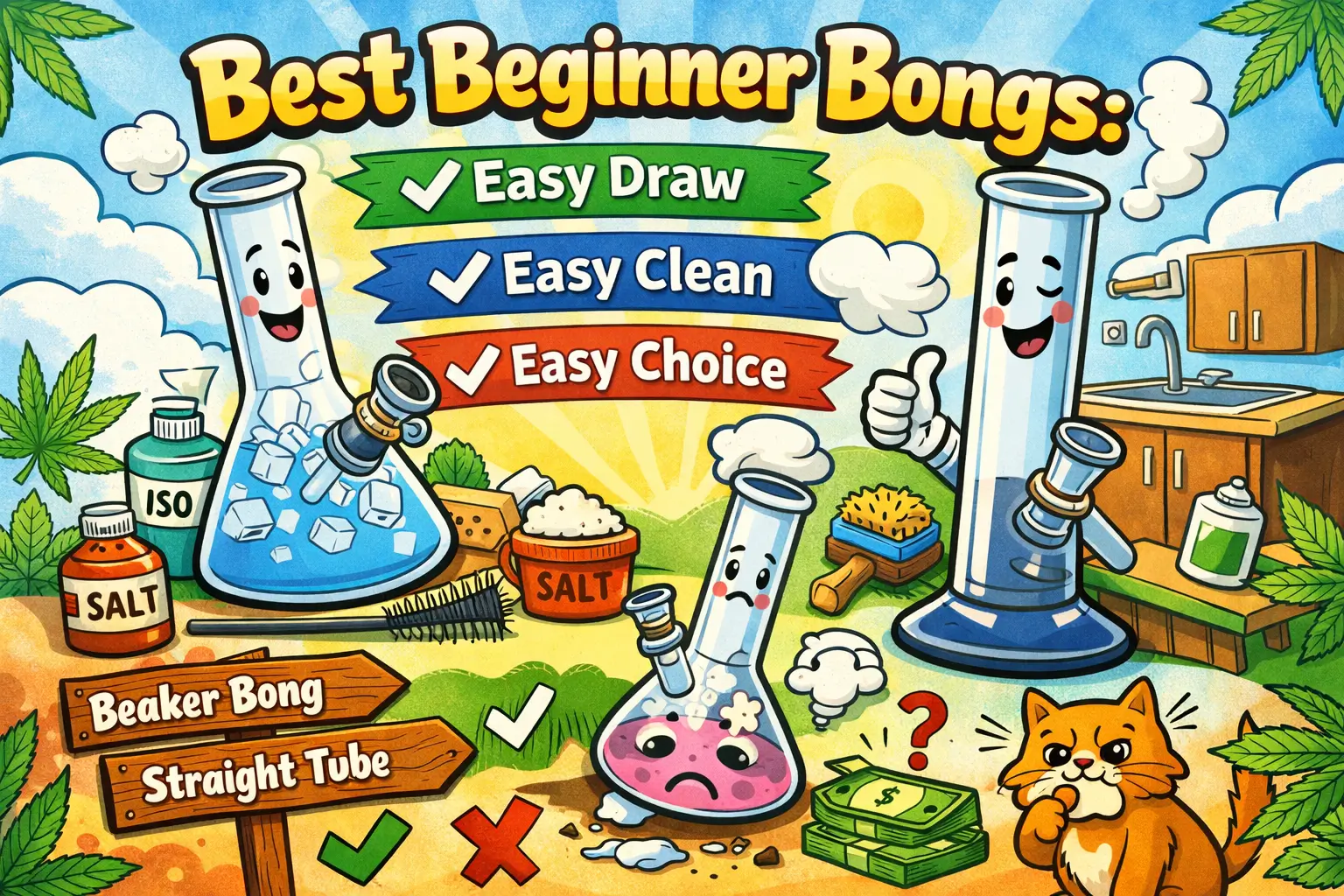
When I bought my first bong, I felt lost. The bong world is full of options—beaker bong, straight tube bongs, percolator bongs, mini bongs, recycler bongs, tall glass towers, and more.
This guide is my practical, no-hype advice. I’ll walk you through how to choose the right bong, why simple designs beat complex ones for beginners, and how to avoid buying something that becomes a dirty bong sitting in your sink.
If you’re shopping for best beginner bongs, this will help you solve that problem fast.
What “Beginner-Friendly” Really Means
Over the years, I’ve reviewed hundreds of product pages and watched how people search. Most beginners don’t want the “bad boy” with five chambers and wild colors. They want a new bong that just works.
So I use a simple test:
Easy Draw
Look for one main chamber, a standard glass bowl, and a clean path for smoke. When smoke travels in a straight, simple path, it creates smoother hits. Many beginner bongs use a single water chamber and removable downstem for this reason. Fewer twists mean better airflow.
Easy Clean
The more chambers and multiple percolators, the more spots for resin buildup. That means longer soak time, more isopropyl alcohol, more coarse salt, and often special tools like pipe cleaners.
Easy Choice
In my experience, a simple beaker design or straight tube is the safest starting point. These are the “gold standard” beginner picks across most head shop guides.
Beaker vs Straight Tube: Which Should You Choose?
Beaker Bong: Stable and Forgiving
A beaker bong has a wider bottom and a cone-shaped body. I like recommending it because:
- The wide base prevents tipping.
- It holds more bong water, which helps with water filtration.
- The larger water chamber can help cool hot smoke into more comfortable hits.
For someone nervous about dropping glass, the wider base feels safer. Many beaker models also include an ice catcher (or ice pinch) so you can add ice cubes for even cool smoke.
Straight Tube Bongs: Clean and Simple
A straight tube is exactly what it sounds like—one direct cylinder. I like these for:
- Easy access when cleaning.
- Fast rinse and dry.
- A more direct bong rip.
Because there’s less curve and fewer hidden corners, straight tube bongs often mean quicker deep clean sessions.
My Decision Rule:
- Clumsy? Go beaker.
- Want fastest cleaning? Go straight tube.
Both are strong picks among types of bongs for beginners.
Best Size for Beginners
Size matters more than most first timers think.
From my experience analyzing user behavior, many buyers regret choosing taller bongs just because they look cool. Large bongs can mean:
- Harder storage
- Harder cleaning
- Higher chance of broken glass
- More water to change
Most beginner-friendly sizes fall in the small-to-medium range. Many smoke shop guides point new users toward manageable heights that fit under cabinets and inside standard sinks.
Here’s how I think about it:
- Smaller bongs and mini bongs are easier to handle.
- Medium sizes balance stability and cooling.
- Large bongs are better once you understand your preferences.
When smoke travels farther in taller pieces, it cools more—but you also risk stale smoke if you don’t clear it quickly.
For beginners, I recommend something you can confidently lift, clean, and store without stress. That reduces frustration and improves your overall smoking experience.
Materials & Build: What Actually Matters
When it comes to bong materials, beginners often get confused. Let’s simplify.
Borosilicate Glass
In the industry, high quality borosilicate glass is considered the gold standard. It resists thermal shock and is more durable than soft glass. Many reputable head shop guides highlight borosilicate as the standard for serious glass bong construction.
If you’re choosing a glass bong, look for:
- Good glass thickness
- Clean weld joints
- Standard joint size
- Removable downstems
Other Materials
There are also:
- Silicone bong options
- Ceramic bongs
- Metal bongs
- Acrylic and other materials
Each has trade-offs. I personally prefer borosilicate glass because it offers clean flavor and durability. Silicone won’t break, but it can hold smell over time. Metal and other materials often change taste.
If you want the best bong for long-term use, borosilicate is usually the safest bet.
Easy Cleaning, Less Gross
I’ll say this clearly: nothing ruins the vibe faster than a dirty bong.
Residue builds up fast. That affects taste and airflow. I’ve tested pieces side-by-side, and the difference between a clean bong and a neglected one is huge. Cleaner glass = tastier hits and cleaner hits.
My simple cleaning routine:
- Dump old bong water daily.
- Rinse with hot water.
- Weekly: shake with isopropyl alcohol + coarse salt.
- Use pipe cleaners for downstems.
- Let dry fully.
Complex percolator bongs and recycler bongs often require more soak time because of extra filtration chambers. More percolator sections = more buildup spots.
If you want fewer headaches, start simple.
Beginner-Friendly Examples from BongHaus
Easy Draw
If someone asks me for a safe, no-regret first bong, I usually point to something like the 10-Inch Classic Cheap Beaker Bong. Why? Because the beaker design gives you a wide base and a clean path from the bowl to the water chamber. Smoke travels in a simple, predictable way. That means fewer surprises when you inhale and fewer coughing fits from trapped hot smoke.
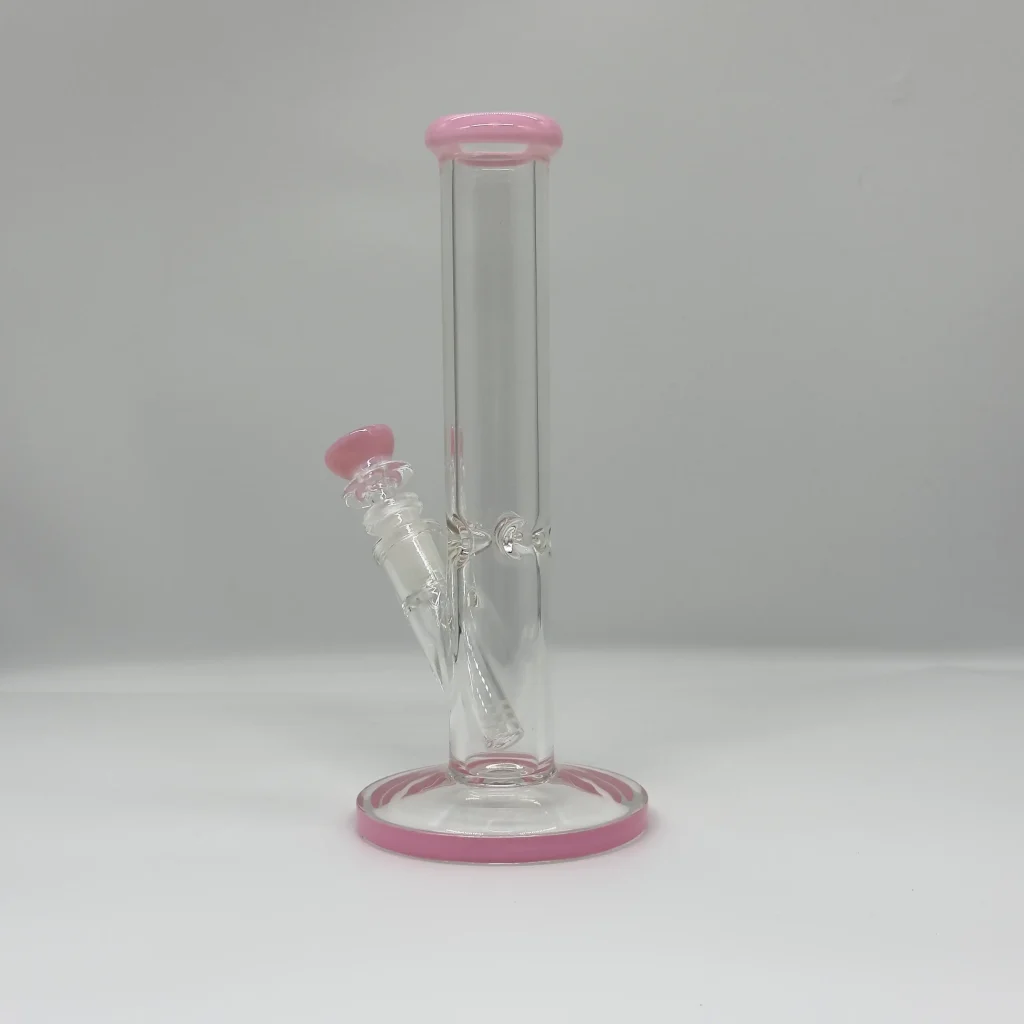
Another strong example is the 10-Inch Pink Straight Tube Cheap Glass Bong. A straight tube has a direct vertical structure. Smoke moves straight through the main chamber without extra twists. For first timers, this often feels easier to control during a bong rip. The airflow is clear and straightforward.
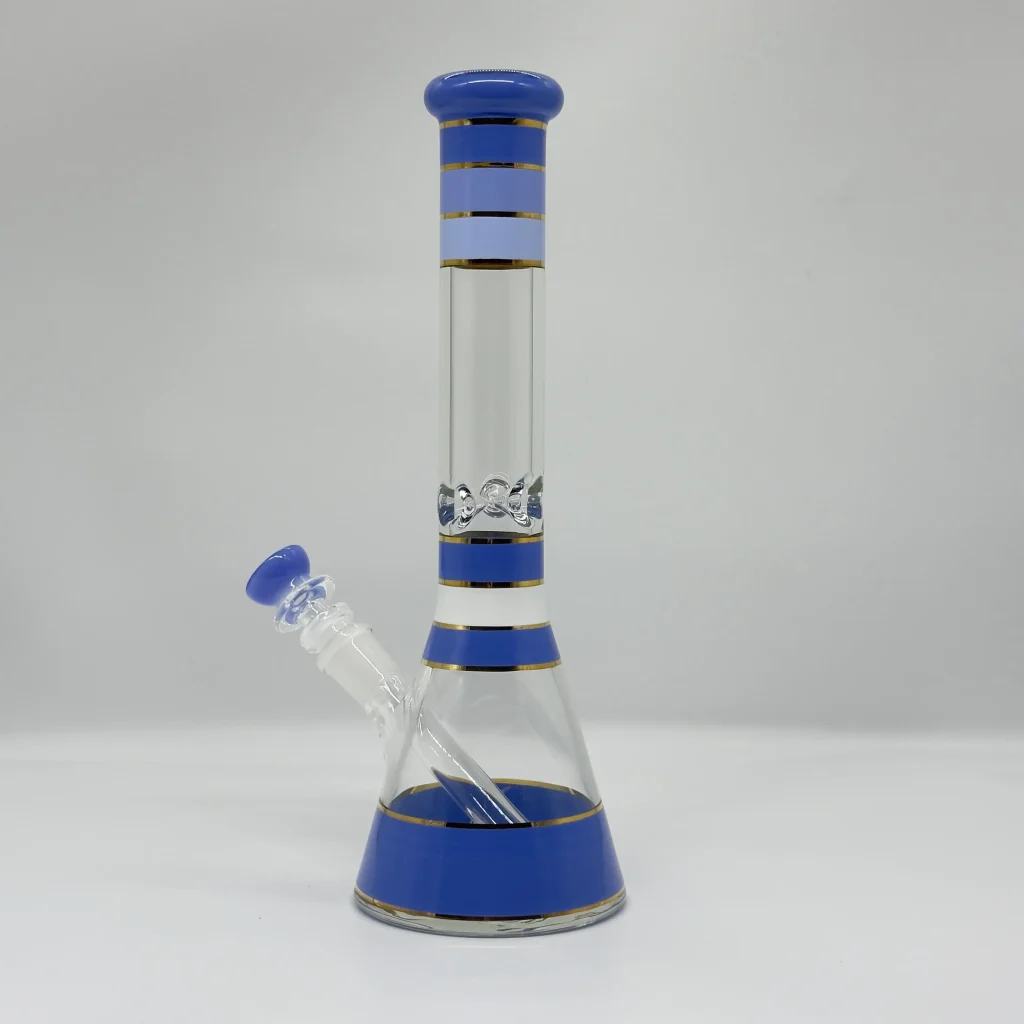
If you want slightly more cooling, the 12-Inch Blue-&-Gold Stripe Cheap Glass Beaker Bong includes an ice pinch so you can add ice cubes. Ice bongs can help create cooler, smoother hits — but still within a simple beaker structure. That balance matters.
Easy Clean
Cleaning is where many beginner bongs succeed or fail.
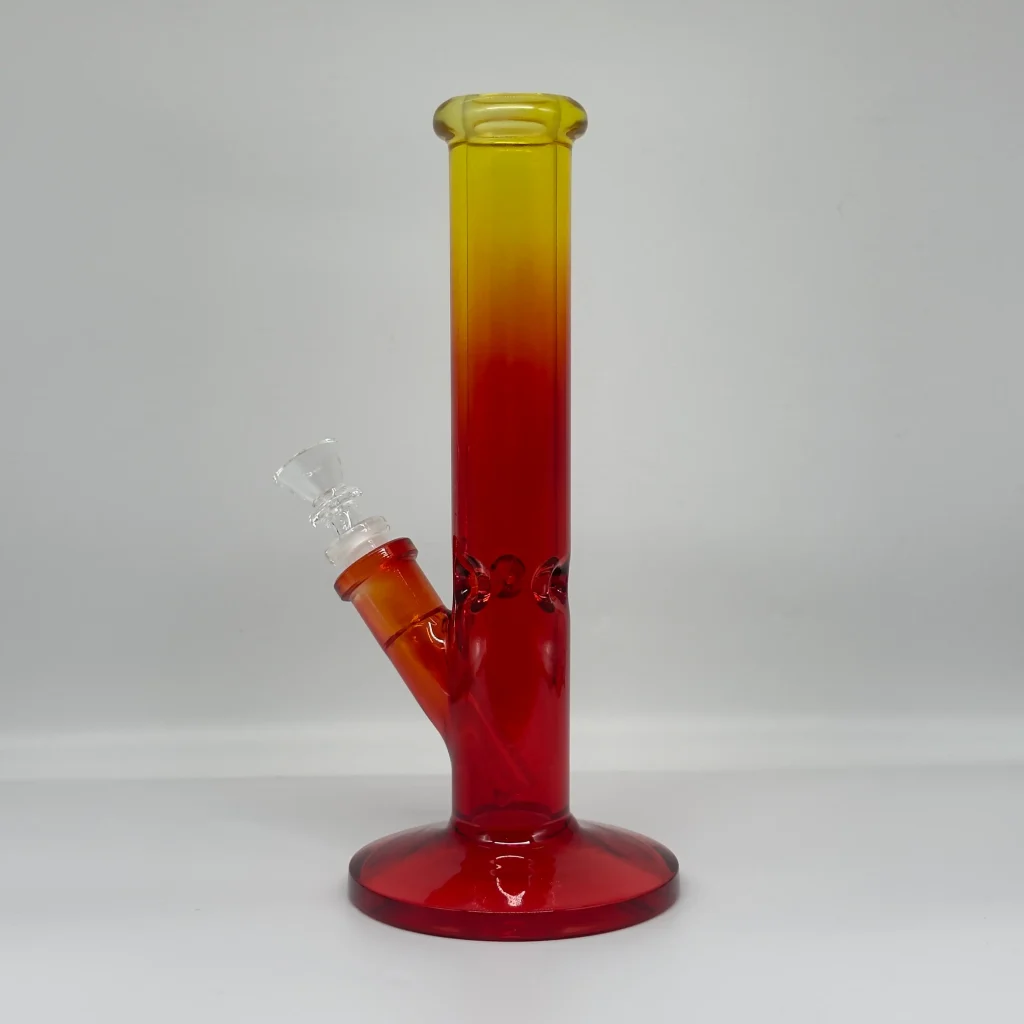
The 9.8″ Sunset Gradient Glass Beaker Bong is a good example of a compact beaker. Because it stays under 10 inches, it fits easily in most sinks. You can reach inside the water chamber without special tools. That makes weekly deep clean sessions faster with isopropyl alcohol and coarse salt.
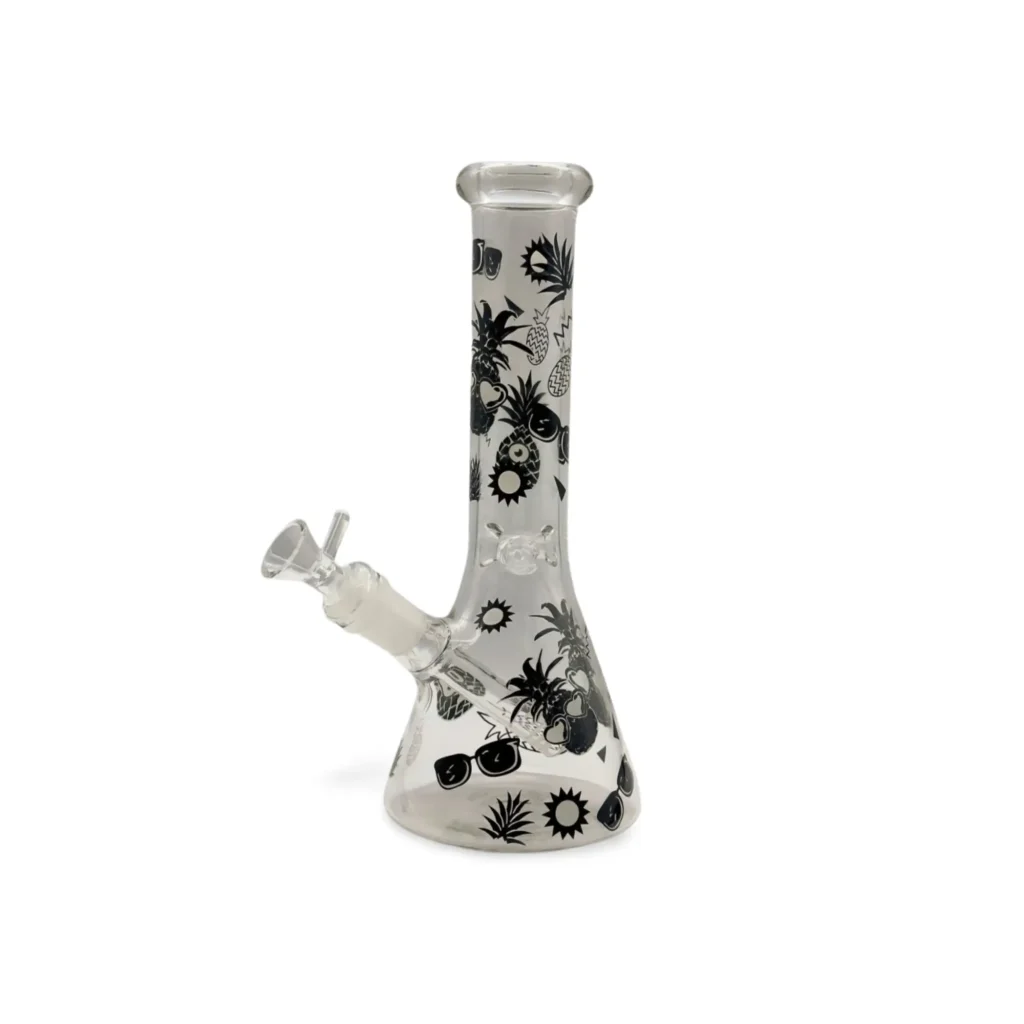
The Black Pineapple Cheap Glass Bong is another beaker-based option that stays simple. One chamber. Standard joint size. No hidden recycler tunnels. That means fewer places for residue to hide.
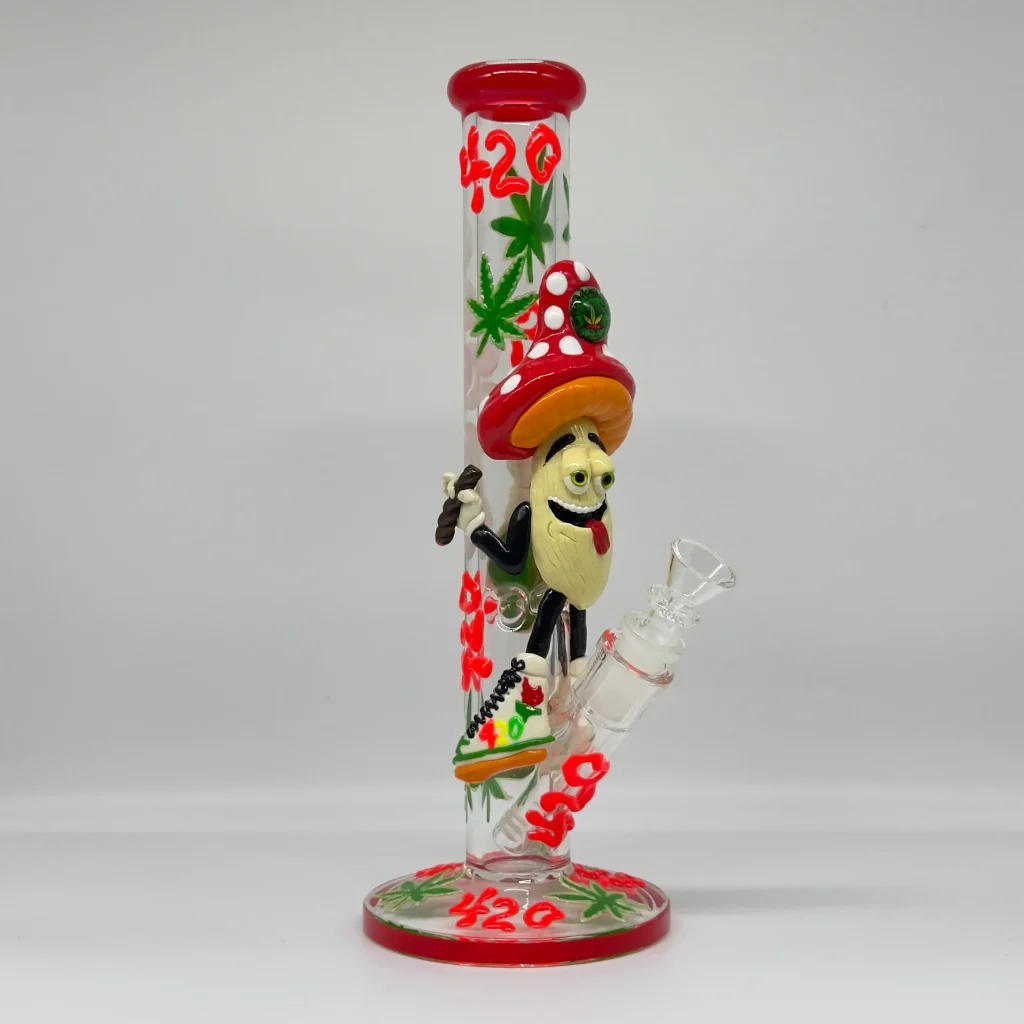
Even the fun-looking 11.8″ Glow 420 Mushroom Glow-in-the-Dark Bong still keeps a manageable size range. I focus less on style and more on structure: single chamber, classic airflow, standard downstem. That’s what makes cleaning realistic.
When cleaning feels easy, you’re more likely to maintain a clean bong, which leads to cleaner hits and better airflow.
Easy Choice
Some beginners ask me, “Should I get a percolator?”
Here’s my honest take.
The 12-Inch Jelly Glass Beaker Bong with Percolator is a good example of a “step-up” piece. It keeps the stable beaker base but adds a single percolator for extra filtration. This can create cooler smoke and smoother hits.
But I always explain the trade-off:
Extra filtration means extra cleaning time.
For beginners who are willing to clean weekly and don’t mind slightly more effort, a single-perc beaker can be a smart upgrade. I wouldn’t suggest jumping straight into multiple percolators or recycler bongs right away.
FAQs
What type of bong is best for beginners—beaker or straight tube?
Both are strong beginner bongs. A beaker bong offers more stability and water capacity. Straight tube bongs are easier to clean. I usually suggest beaker for stability and straight tube for simplicity.
What size bong is easiest for beginners?
Smaller to medium sizes are easiest to handle. They fit better in sinks and cabinets and reduce break risk.
Are percolators worth it for a first bong?
Percolator bongs add extra filtration and can create smoother hits. But they are harder to clean. I suggest learning with a simpler piece first.
How often should I clean it?
Rinse daily. Deep clean weekly. A dirty bong affects airflow and taste quickly.
Conclusion
If I were advising a friend buying their first glass bong today, I’d say:
Choose a medium-sized beaker design made from high quality borosilicate glass, with a removable downstem and standard joint size. Keep it simple. Skip multiple percolators. Prioritize easy cleaning.
That’s how you get smoother hits, less stress, and a better long-term smoking experience.
The real difference between a frustrating purchase and the right bong isn’t style—it’s simplicity.