
“How to make dabs” is a popular search because concentrates pack powerful flavor and fast effects. But turning loose plant material into a potent cannabis concentrate at home can be risky. Butane-hash-oil (BHO) “blasting” has caused house fires when pockets of vapor ignite.
This guide steers clear of open-air butane extraction and focuses on low-risk, solvent-free ways to press your own rosin dabs. Along the way, we outline U.S. laws, highlight health facts, and share hands-on tips so readers can decide whether making dabs at home is worth it.
What Are Dabs?
Dabs (shatter, wax, crumble and more) are concentrated forms of the cannabis plant. Licensed labs pull desirable cannabinoids and terpenes from cannabis flower with closed-loop hydrocarbon, CO₂, or ethanol systems that keep flammable gases contained. Oregon OSHA notes that closed-loop designs cut the explosion risk because solvents never contact open air.
These professional setups also purge residual solvents in a vacuum oven, leaving a cleaner cannabis extract. Because a single dab can carry several times more THC than ground flower, the National Institute on Drug Abuse warns users to expect stronger, faster effects—and more chance of anxiety or impaired judgment.
Is It Legal to Make Dabs at Home?
In many states, producing concentrates without a license is treated like running a clandestine drug lab. Massachusetts fire officials state plainly that kitchen-table butane or propane extraction is both “extremely dangerous” and illegal. Several jurisdictions classify unlicensed BHO setups as felony offenses, even where adult-use cannabis is legal.
Penalties can include fines, property seizure, or jail time. Before you try any extraction method, check local cannabis regulations, building codes, and fire ordinances. When in doubt, buy tested marijuana concentrate from a licensed dispensary instead of risking criminal charges—or your safety.
Why Butane Extraction Is Dangerous
Open-tube BHO “blasting” packs butane into a stainless-steel or PVC tube filled with plant matter. Vapors can pool on the floor (butane is heavier than air) until a pilot light, cigarette, or static spark touches off a flash fire. Investigators in New Jersey document explosions that shatter windows and melt siding when hobbyists attempt BHO indoors.
Beyond flames, poorly purged BHO can trap toxic hydrocarbons inside the finished cannabis wax, posing inhalation hazards called residual solvents. Unless you own a certified closed-loop system and a laboratory-grade vacuum oven, butane extraction simply isn’t worth the blast risk—or the lingering chemicals.
Safer Extraction Methods
If you still want to make dabs at home, choose solventless paths that keep flammables out of the equation:
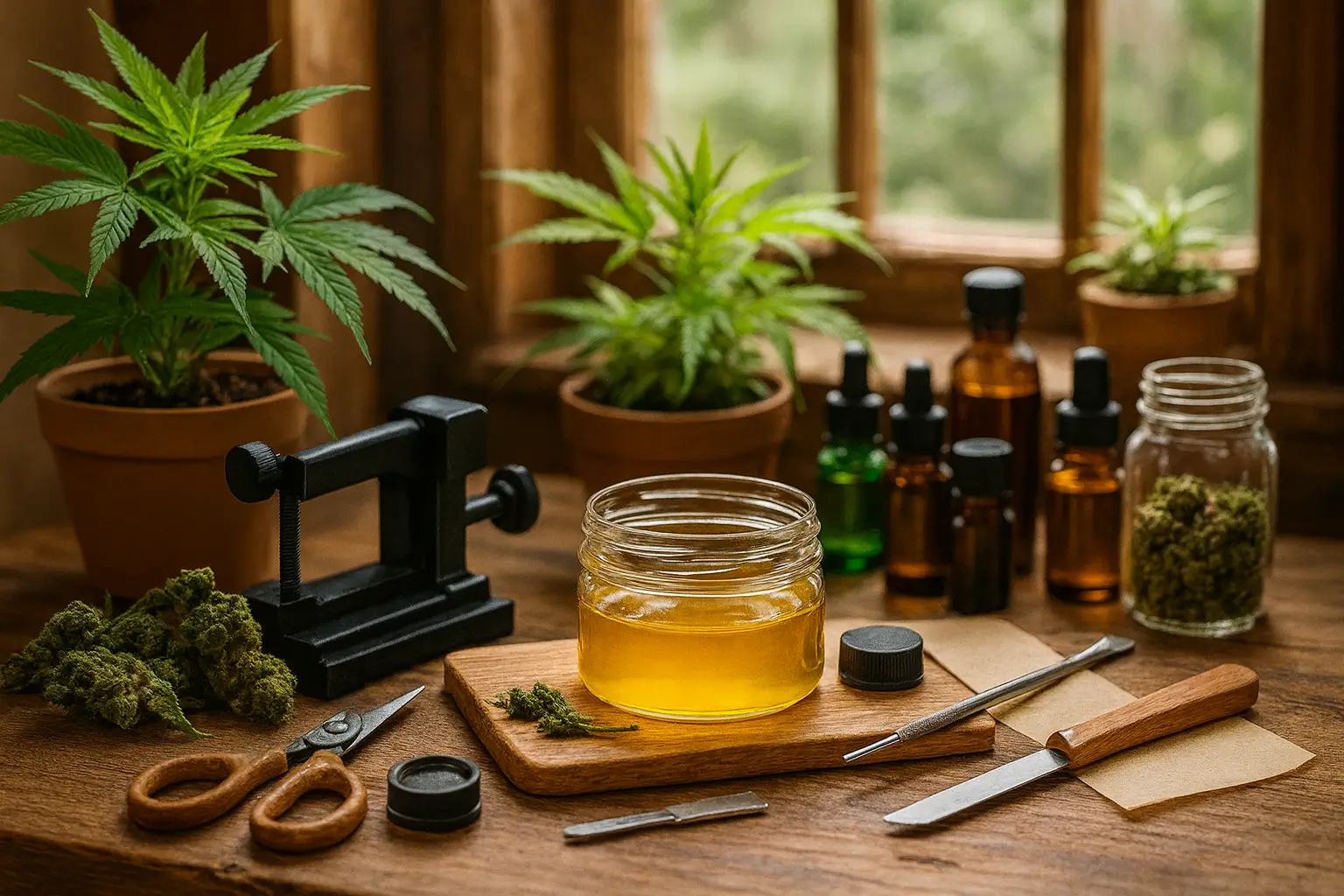
- Rosin press method – Sandwich premium buds between non-stick parchment paper and squeeze them with heated plates (a purpose-built press or even a hair straightener). Moderate heat and pressure pull out golden oil in seconds; researchers call rosin “pure, clean, natural” because it uses no chemical solvents.
- Ice-water bubble hash – Agitate frozen plant material in cold water, then strain it through mesh bubble bags to collect trichome “kief.” Dry and gently press the sift into hash.
- Dry sift (kief) – Shake cured buds across fine screens to separate trichomes; press or vape the powder.
These approaches are more time-consuming and “labor intensive,” but they avoid blowtorches, fuel cans, and leftover chemicals—making them the lowest-risk route for cannabis enthusiasts seeking pure dabs.
Step-by-Step Guide
This “step by step guide” shows how to make dabs with a simple rosin press method that keeps risk low and solvents out.
- Pre-freeze high-quality cannabis flower or sifted kief for 30 min. “Frozen plant material” snaps rather than squishes, boosting yield of desirable compounds.
- Set a hair straightener/flat iron to 200-230 °F (high heat breaks terpenes). Slide a “bag inside” of 25-micron filter or coffee filter around buds if you want cleaner rosin and less plant matter.
- Place the pack between two sheets of non-stick parchment paper; fold edges so no oil can escape.
- Press firmly for 5-7 sec. Rosin will bubble out in thin golden sheets. A purpose-built rosin press or clamp with heated plates gives more pressure but the straightener works for most dabs at home.
- Scrape cooled rosin with a razor blade onto a clean glass dish. Fold and press again to squeeze the last drop.
- Cure ten minutes at room temp to let bubbles pop and surface area settle, then store in an airtight container away from light. Good dabs stay translucent; cloudy “honeycomb wax” means contaminants or too much heat.
Researchers call rosin “pure, clean, natural” because it avoids flammable gas and residual solvents.
How to Use Dabs Safely
Dabbing turns a potent concentrate into vapor almost instantly, so “start low, go slow.”
- Gear – A small dab rig or electronic nail, a torch or coil (no propane cooking blow torch please), a dab tool, and clean water. Buy glass from authorized retailers;
- Dose – Begin with a rice-grain size; high-THC cannabis wax can exceed 70 % THC—five times stronger than ground cannabis.
- Temp – Aim for 500-600 °F. Red-hot nails scorch plant compounds and taste harsh.
- Hygiene – Swap mouthpieces, wipe tools with isopropyl alcohol, and change rig water daily to cut mold growth.
- Storage – Keep unused rosin or other concentrates in a dark, cool spot. Oxidized oil loses flavor and potency in weeks.
Potential Health Risks
Because dabs deliver concentrated forms of THC, they can cause faster intoxication and more side effects than smoking flower. NIDA notes that smoking or vaping concentrates “can rapidly deliver large amounts of THC to the body, which increases the risk of negative side effects” such as panic and impaired judgment.
A CDC review found 14.5 % of adult users in 12 states reported consuming dabs—and high-potency use was linked with acute psychosis and cannabis use disorder.
If you still choose to dab:
- Ventilate rooms to avoid butane buildup if you ever use a torch.
- Purge DIY concentrates fully; leftover butane or isopropyl alcohol fumes irritate lungs.
- Take tolerance breaks; daily high-THC intake raises dependence risk.
FAQs
What are the ingredients in dabs?
Mostly cannabinoids (THC, CBD) and aromatic terpenes. Poorly made butane hash oil can hold residual solvents and waxes.
What do I need to do dabs?
A dab rig, dab tool, torch or coil, and tested concentrate. Keep parchment paper and alcohol swabs for cleanup.
Are dabs healthier than joints?
They avoid smoke toxins from burning leaf, but high THC plus trace chemicals mean different—not necessarily safer—risks.
How to make dabs without a dab press?
Use this guide’s hair-straightener trick: fold buds in parchment, press for 5–7 sec, and collect rosin dabs—no special press required.
Conclusion
Learning how to make dabs can be empowering, yet the whole process demands care. A modest rosin setup—flat iron, coffee filter, parchment—keeps costs low and danger lower than any butane extraction. Still, even homemade dabs are a potent cannabis concentrate that should be shared responsibly, stored in airtight jars, and kept from children.